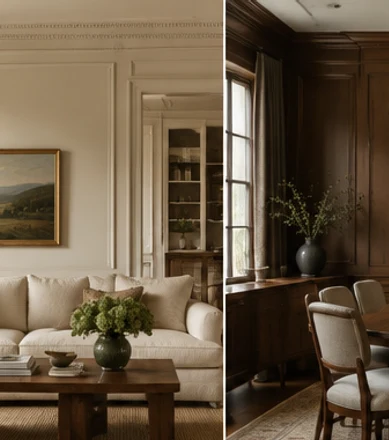

A fall bedroom should feel warmer and more settled without turning into a seasonal display. The most convincing rooms do not depend on pumpkins on every surface, novelty bedding, or a complete change of furniture. They become cozier because the light gets softer, the textiles gain a little weight, the palette becomes more grounded, and the objects you already use are arranged with greater intention.
That approach is especially useful in a bedroom because this is one room where visual calm matters as much as style. A fall refresh should make the room easier to return to at the end of the day, not give you more things to move before you can sleep. If your starting point is already neutral, you do not need to abandon it. If your room is colorful, you do not need to mute everything. The goal is to deepen what is already working and make the space feel ready for darker evenings and cooler mornings.
Current 2026 bedroom coverage has leaned toward richer textures, warmer grounding colors, layered lighting, reading zones, and more personal rooms rather than bland hotel-style minimalism. That direction appears in recent trend reporting from Homes & Gardens and House Beautiful. The ideas below translate that broader mood into choices that can work in an ordinary bedroom, including small rooms and rental spaces.
If you are building a bedroom from the ground up, you may also want to keep our cozy bedroom ideas, neutral bedroom ideas, and small bedroom ideas open as companion guides. This article focuses specifically on the seasonal shift into fall.
1. Start With a Warmer Version of the Colors You Already Have
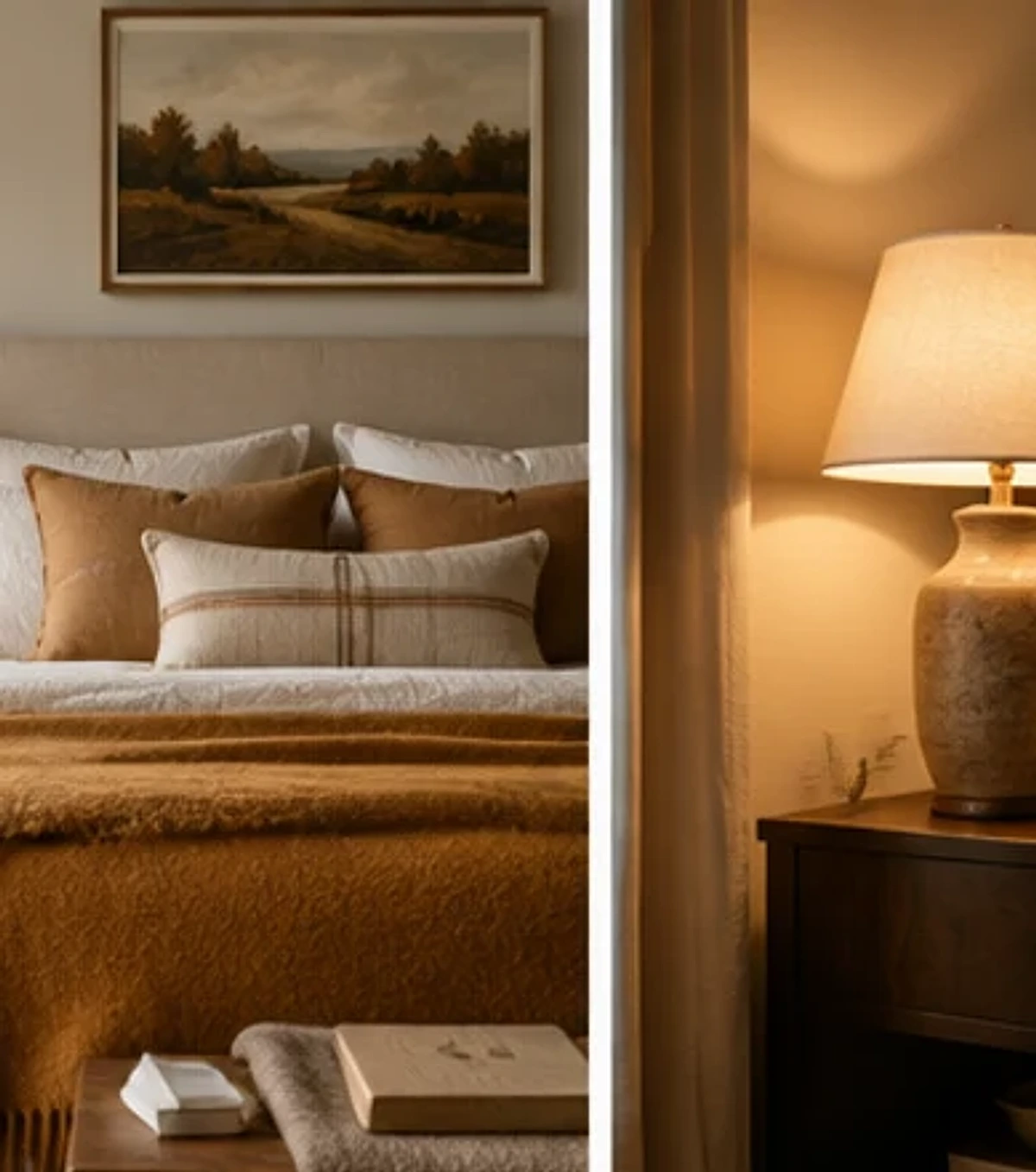
The easiest way to make a bedroom feel ready for fall is not to pick a list of “autumn colors.” It is to look at the colors already in the room and move them one step warmer or deeper. A cool beige can become camel or oatmeal. Pale gray can shift toward mushroom or taupe. A green room can take on olive, moss, or gray-green accents. Blue can move toward smoky navy, petrol, or deep teal. If the room is already warm, a small dose of rust, tobacco, ochre, aubergine, or brown may be enough.
This works because the room still feels like itself. The furniture does not suddenly look disconnected from the new palette, and you are less likely to buy seasonal pieces that only make sense for a few weeks. Begin with the largest colors that are difficult to change: the floor, walls, headboard, wardrobe, and curtains. Then choose one supporting neutral and one deeper accent that relate to those fixed elements.
For example, a bedroom with white walls, oak furniture, and beige carpet might use cream bedding, a camel throw, and a muted olive cushion. A room with blue-gray walls and dark wood could use ivory bedding with burgundy or plum in a smaller amount. The accent does not need to dominate. In fact, the room often feels more sophisticated when the strongest seasonal color occupies the smallest area.
Before buying paint or textiles, place your proposed colors together in the bedroom during the day and again after sunset. The same brown that looks refined in afternoon light can become almost black under a weak bulb. Ochre can look golden in one room and aggressively orange in another. The actual room should make the final decision.
A practical rule is to keep the bed and curtains within the calmer part of the palette, then use deeper color in items that are easy to rotate: a throw, lumbar pillow, lampshade, small artwork, or bedside object. That lets you create a distinct fall mood without making the bedroom difficult to live with in winter or spring.
2. Layer the Bed for Comfort, Not for a Photograph
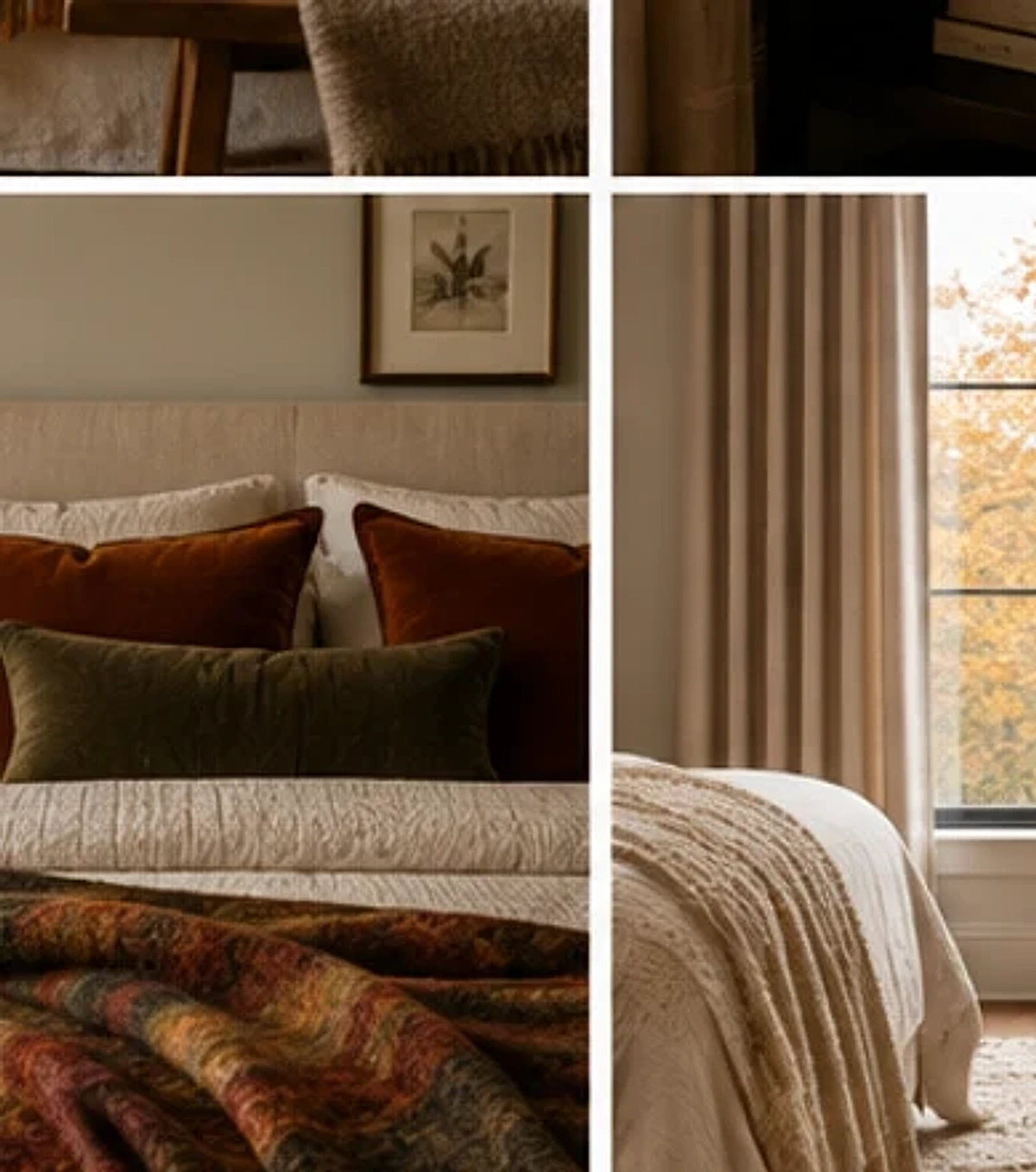
A fall bed does not need seven decorative cushions and three folded blankets. It needs layers that make sense for the way you actually sleep. Start with the sheets and primary duvet or comforter you prefer, then add one layer that solves a real problem. If you get cold before your partner does, a throw at the foot of the bed is useful. If the room becomes chilly in the early morning, a coverlet can add warmth without the bulk of a second duvet.
Texture matters because a room can feel seasonally richer without changing color at all. Crisp cotton, washed linen, brushed cotton, wool, velvet, bouclé, and quilted fabrics reflect light differently and create depth. You do not need every texture at once. Two or three contrasting surfaces are enough. A smooth cotton duvet with a wool throw and one velvet cushion can create more visual interest than a bed covered in many fabrics of similar weight.
Pay attention to how each layer behaves after a normal night. If the throw always ends up on the floor, it may be too heavy, too slippery, or simply unnecessary. If decorative pillows are stacked on a chair every evening, reduce the number. A bedroom that feels luxurious in use is more successful than one that only looks luxurious when no one is sleeping in it.
Scale also matters. A very small throw can look accidental on a king bed, while an oversized blanket can drag on the floor and collect dust. Let the top layer reach far enough across the bed to look intentional, but keep it easy to fold back. If you want a relaxed look, fold it loosely across the lower third of the mattress rather than trying to create a perfectly symmetrical hotel fold.
For a small bedroom, visual weight is just as important as physical weight. Dark bedding can be beautiful, but a full bed in deep brown, heavy curtains, and a dark rug may make a compact room feel visually crowded. Use one deeper layer against a lighter base, or keep the bed light and introduce seasonal color in the throw and headboard area. The room can still feel cocooning without becoming visually dense.
3. Use Lighting to Create the Fall Mood Before Buying More Decor

Lighting is one of the most effective fall changes because the room is used differently as daylight shortens. A bedroom that looks calm at four in the afternoon can feel flat at nine at night if the only light is a bright ceiling fixture. Instead of trying to decorate your way out of that problem, build a simple lighting hierarchy.
Begin with the light you use most often from bed. A bedside lamp or wall light should be easy to reach, bright enough for the task you expect from it, and soft enough that turning it on does not make the room feel clinical. If you read, prioritize a focused source that actually reaches the page. If the lamp is mainly for winding down, a shaded light with a gentle spread may be more appropriate.
Then look for one additional source away from the bed. This might be a small lamp on a dresser, a portable lamp on a shelf, or a floor lamp beside a reading chair. The purpose is not to make every corner equally bright. It is to avoid the harsh contrast between one bright fixture and the rest of the room disappearing into darkness.
Fall is also a good time to reassess lampshades. A shade changes both the appearance of a lamp and the way it distributes light. Linen, pleated fabric, paper, woven fibers, and patterned shades can soften the fixture and add texture without taking up another surface. Recent fall lighting coverage has emphasized layered sources and more decorative shades rather than relying on one large overhead light, a shift reflected in House Beautiful’s 2026 fall lighting report.
Do not force every bulb in the room to look identical if the fixtures serve different jobs, but keep the overall color of the light reasonably consistent. A very cool bedside bulb next to a warm amber lamp can make the room look disjointed. Test the lighting with the bedding and wall color in place, because light can change how every material reads.
If you want a fuller guide to bedside lamps, sconces, pendants, and reading lights, our dedicated bedroom lighting ideas article expands on the subject in more detail.
4. Build Warmth Through Texture, Wood, and What Is Underfoot

When a bedroom feels cold, color is not always the problem. The room may simply contain too many hard, smooth surfaces. Painted walls, laminate furniture, glass, metal, and tightly woven bedding can all be attractive, but if every surface reflects light in a similar way the room may lack the tactile depth associated with a cozier season.
Wood is one of the easiest materials to introduce because it can be functional as well as decorative. A bedside table, tray, bench, frame, small stool, or lamp base can bring warmth without adding clutter. You do not need to match every wood tone. A room often feels more natural when the woods are related rather than identical. Look for a common undertone or level of warmth, then allow some variation.
Textiles should work the same way. Instead of adding many small decorative objects, soften the surfaces you already use. A rug that extends beyond the bed can make the first step in the morning more comfortable. Curtains can reduce the amount of hard wall and glass visible at night. A fabric headboard or upholstered bench can introduce a broad area of softness with less visual clutter than a collection of accessories.
The floor deserves particular attention in fall because a bedroom is often experienced barefoot. If the existing floor is hard, a rug beside or under the bed can change the room immediately. Size it for the bed and walking area rather than buying a rug because it is labeled “bedroom size.” Tape the dimensions on the floor first. Make sure doors and drawers still open, and check that the rug does not create an awkward edge in the main path through the room.
Texture should still be edited. A boucle chair, shaggy rug, fringed throw, chunky knit blanket, velvet cushion, and heavy curtains in the same small room can compete with one another. Choose one or two tactile stars and let the other materials stay quieter. The goal is a room that feels layered when you enter, not a room where every surface is asking to be touched at once.
5. Let Curtains and a Rug Form the Seasonal Envelope
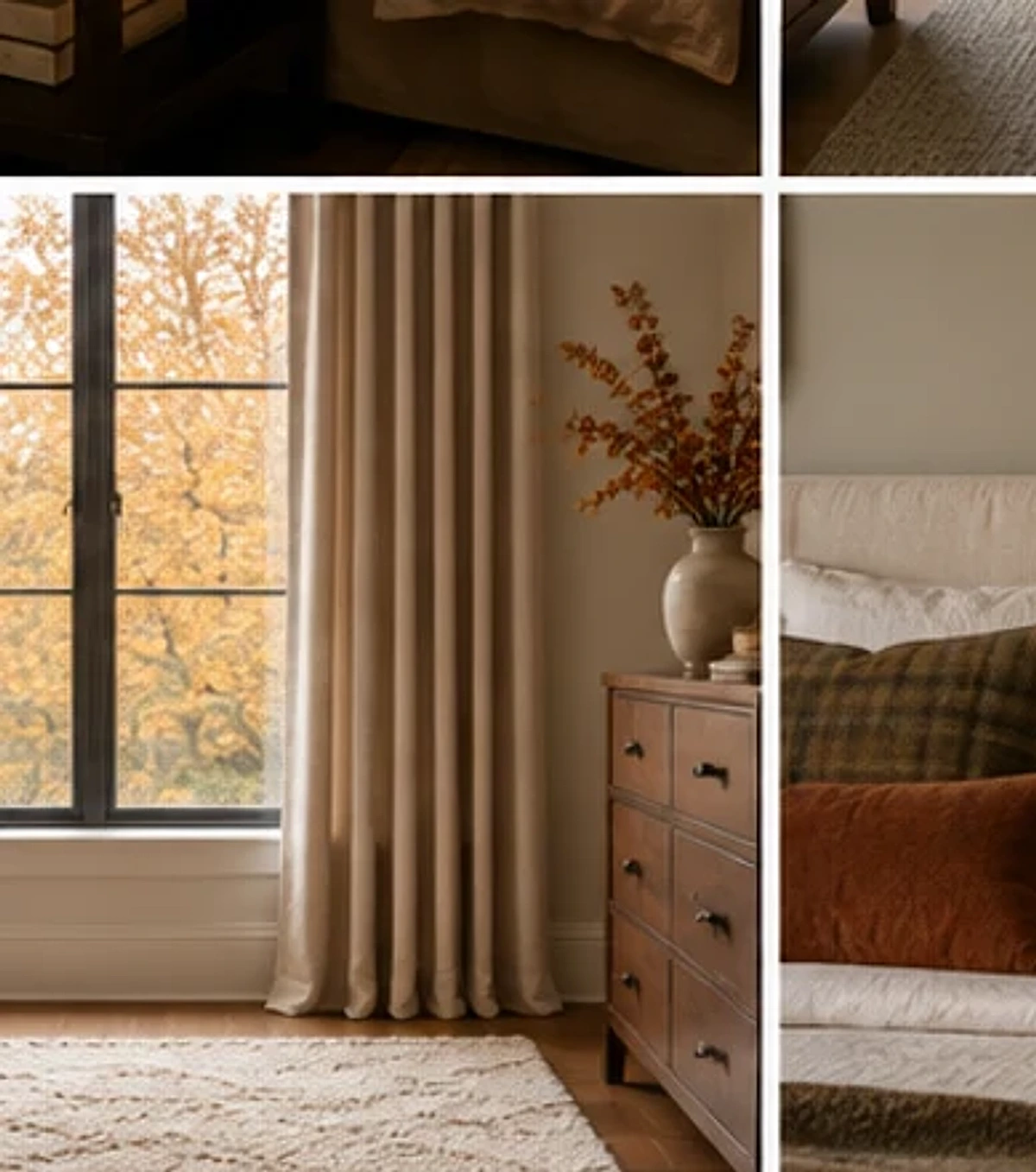
Bedrooms often feel noticeably different in fall because the windows become darker earlier in the day. That makes the treatment around the window more visually important. Curtains do more than frame a view; in the evening they can become one of the largest uninterrupted surfaces in the room.
If you already have curtains that function well, you may not need to replace them. Simply check whether their color is fighting the new palette. A bright cool white curtain can look stark beside warmer fall bedding, while ivory, flax, taupe, gray-green, or a muted pattern may connect more easily. If replacement is not practical, a warmer curtain can sometimes be introduced as an outer decorative layer while the existing blind or shade continues to handle privacy.
Hang curtains to suit the architecture rather than copying a formula from a photograph. In some rooms, taking the rod higher makes the window feel more generous. In others, especially where the ceiling is low or the trim is important, a position closer to the frame looks more appropriate. The key is that the fabric should clear radiators, vents, and furniture and should open fully enough to let daylight into the room.
The rug should support the same visual envelope. If the curtains are substantial and the bedding is richly layered, a very busy rug may be unnecessary. A quieter wool or flatweave rug can ground the room without becoming another focal point. Conversely, if the walls and bedding are restrained, a rug with a faded pattern can bring in fall depth without committing the entire room to a strong color.
Think about the room at night with the curtains closed. The floor, curtains, bed, and headboard become the main visual fields. If those four elements relate to one another, the room will usually feel cohesive even if smaller details are eclectic. That is a more reliable strategy than trying to coordinate every frame, vase, and pillow.
6. Finish With Personal Objects, Not Seasonal Clutter
The final layer of a fall bedroom should be personal. This is where many seasonal refreshes go wrong: the room has already become warmer through lighting, bedding, texture, and color, but then every remaining surface is filled with themed accessories. The result can feel more like a shop display than a place to sleep.
Instead, edit the surfaces according to use. On a bedside table, keep the lamp, book, glasses, water, or charging setup you actually need. If there is room for one additional object, choose something with texture or meaning: a small ceramic dish, framed photograph, branch in a narrow vase, or a candle you genuinely use. On a dresser, a tray can group smaller essentials so the whole surface reads more calmly.
Natural references can suggest fall without becoming literal. A branch with turning leaves, dried seed heads, a small arrangement of grasses, a bowl in a deeper glaze, or artwork with earthy tones can be enough. If you use candles, place them where they can be monitored safely and never rely on them as the only light source. Battery-operated portable lamps can create a similar low glow where flame is not appropriate.
Books are especially effective in a bedroom because they are both personal and useful. A short stack on a bedside table or a shelf near a chair can make the room feel inhabited, and it supports the broader movement toward more analog, screen-light routines in bedrooms. If that idea appeals to you, Architectural Digest’s 2026 feature on the analog bedroom is a useful reference point.
Most importantly, stop before every surface is finished. Negative space is part of the design. A clear corner of a dresser makes the objects beside it feel more intentional. An empty portion of wall gives artwork room to matter. A bed that can be turned down without moving six decorations is a better fall bedroom than one that photographs perfectly and functions poorly.
A Practical Fall Bedroom Refresh Plan
If you want to make changes in one afternoon rather than over several weekends, work in an order that prevents unnecessary purchases. First, remove summer-only items that no longer serve the room. Wash or refresh the bedding and curtains if needed. Then assess the room in natural light and again after dark. Decide whether the biggest problem is color, light, texture, or storage.
Next, make the lowest-commitment change that addresses that problem. If the room feels visually cold, add a warmer textile before repainting. If it feels flat at night, add or reposition a lamp before buying decor. If the floor feels bare, test a rug size with painter’s tape before ordering. If the room feels crowded, edit the bedside surfaces and floor before adding anything new.
Only after those changes should you consider a stronger seasonal accent. This order protects the room from becoming overdecorated and helps you spend money where it changes the experience most. It also makes it easier to keep the bedroom cohesive with the rest of your home. If you are working with a neutral base, our neutral home decor ideas can help you connect the bedroom palette to adjoining spaces.
Fall Bedroom Ideas for Small Rooms
In a small bedroom, fall decorating should emphasize atmosphere rather than quantity. Use color in one concentrated place, such as the throw or headboard, instead of distributing many dark objects around the room. Choose a lamp that provides useful light without consuming the entire bedside surface. Keep the rug large enough to feel intentional, but do not force it beneath furniture if that creates awkward edges or obstructs doors.
Vertical surfaces can carry some of the seasonal change. A fabric wall hanging, richer artwork, curtain, or deeper painted accent can add visual warmth without taking floor space. If the room has open shelves, edit them before adding anything new. One stack of books and a small lamp may create more character than a dozen decorative objects.
Most small rooms benefit from keeping the route around the bed clear. That means the cozy choice is not always the bulkiest choice. A slimmer upholstered headboard, lighter-weight curtain, compact reading lamp, or folded wool throw can bring softness without narrowing circulation. For layout-specific ideas, see our complete guide to small bedrooms.
What to Avoid in a Fall Bedroom
Avoid buying an entire “fall collection” simply because the pieces coordinate with one another. Your existing room is the design context, not the store display. Avoid making every textile thicker at the same time; you may create unnecessary bulk and a bed that is difficult to use. Avoid using very warm bulbs to compensate for a room with inadequate lighting, because dim amber light is not the same as comfortable layered light.
Also be careful with fragrance. Scent can contribute to atmosphere, but a bedroom is a place where comfort is personal. Strong diffusers, incense, or multiple scented candles can become distracting. If you enjoy fragrance, use it lightly and keep it separate from the design decisions that make the room physically comfortable.
Finally, do not assume a fall bedroom must be brown or orange. Those colors can be beautiful, but gray-green, aubergine, smoky blue, burgundy, deep teal, warm ivory, and natural wood can create an equally seasonal mood. The best palette is the one that makes sense with the fixed elements and the light in your own room.
Frequently Asked Questions
How can I make my bedroom feel like fall without buying new furniture?
Change the elements that are easiest to rotate: bedding layers, lampshades, a throw, one or two cushion covers, artwork, and small bedside details. Repositioning a lamp and editing clutter can make as much difference as buying another piece of furniture.
What are good fall bedroom colors in 2026?
Warm neutrals remain flexible, while richer grounding shades such as olive, gray-green, chocolate brown, ochre, burgundy, plum, smoky blue, and deep teal can add depth. Use them selectively and test them in your room’s daylight and evening light before committing.
How many throw pillows should a fall bed have?
There is no ideal number. Use only as many as you are willing to move every night. In many bedrooms, two sleeping pillows plus one or two decorative cushions or a lumbar pillow create enough layering without making the bed cumbersome.
Should I change my curtains for fall?
Only if the current curtains are too light visually, do not provide the privacy you need, or no longer work with the room. A seasonal change can be as simple as adding a warmer outer layer, changing the curtain tieback, or adjusting the surrounding palette.
How do I make a neutral bedroom feel cozier for fall?
Keep the neutral palette but vary the materials. Add wool, brushed cotton, linen, wood, a softer rug, and more layered lighting. Small differences in texture and tone can create depth without introducing strong color.
Can a dark bedroom still feel restful?
Yes. A dark palette can feel calm when there is enough contrast, useful lighting, and visual breathing room. Pale bedding, warm wood, reflective but not glaring details, and lighter window treatments can keep a deep wall color from feeling heavy.
How to Adapt Fall Bedroom Ideas to the Room You Already Have
A fall refresh becomes much easier when you stop treating the room as a blank slate. Most bedrooms already have a strong visual direction, even if it was never planned deliberately. The floor might be honey-toned wood, the bed may have a cool gray headboard, the curtains may be crisp white, or the largest piece of furniture may be dark walnut. Those elements form the starting point. Rather than trying to cover them with seasonal color, use them to decide which autumn notes will look believable.
If your bedroom is predominantly cool, introduce warmth through materials before changing the entire palette. A wool throw, warm wood tray, brass or bronze lamp, oatmeal cushion, or muted rust artwork can provide contrast while allowing the cool walls or bedding to remain. A cool room often feels more sophisticated when the warm element is concentrated instead of scattered in many tiny accessories.
If the room is already warm, avoid piling on more orange and brown until everything begins to blend together. Add contrast through cream, muted green, dusty blue, charcoal, or a cooler burgundy. The point is not to make the palette less seasonal; it is to give the warmer colors enough contrast to be visible. A camel throw will look richer against ivory than it does against five nearly identical tan surfaces.
For a colorful bedroom, keep the fall update related to the existing hue. A blue bedroom can move toward petrol, navy, aubergine, and warm wood. A green room can deepen into olive, moss, tobacco, and aged brass. A pink room can become more autumnal through plum, oxblood, walnut, and warm cream. This kind of color evolution feels intentional because the seasonal layer still belongs to the room underneath it.
Where to Spend and Where to Save on a Fall Bedroom Refresh
Not every fall change deserves the same budget. Spend first on items that affect comfort or that you use every day. If your current bedside light is frustrating, improving it is more valuable than buying decorative objects. If the bedding is uncomfortable, replace the layer that causes the problem before adding cushions. If the floor beside the bed is cold, a properly sized rug may improve the room more than several small seasonal purchases combined.
Save on items whose main purpose is visual variety. Cushion covers can be more economical than entire new pillows if the inserts are still in good condition. A framed print can introduce a deeper color for less than new curtains. Branches, books, ceramics you already own, and textiles moved from another room can create a seasonal shift without requiring a shopping list. Even the orientation of a throw or the placement of a lamp can change how the room reads.
It is also worth separating durable changes from temporary ones. A high-quality bedside lamp, wool rug, or solid wood table can remain useful for years, so it makes sense to judge it by long-term quality rather than a seasonal trend. By contrast, a strongly themed cushion or novelty decoration has a much shorter visual life. If you enjoy obvious seasonal motifs, keep them small and easy to store rather than making them the expensive foundation of the room.
Before purchasing anything, write down the three problems you want the refresh to solve. They might be “the room feels cold at night,” “the bed looks flat,” and “the bedside table is cluttered.” Then make every purchase answer one of those problems. This simple filter keeps the refresh focused and prevents the common situation where a room contains more objects but still does not feel more comfortable.
How to Keep the Bedroom Feeling Good After the Initial Refresh
A bedroom can look beautiful on the day it is styled and gradually become less comfortable as laundry, books, chargers, glasses, and clothing return. The best fall setup anticipates that ordinary use. Give the items that appear every evening a nearby place to go. A shallow dish can hold jewelry, a drawer can handle charging cables, a hook can keep tomorrow’s clothes off the floor, and a basket can contain the extra throw when it is not needed.
Keep seasonal textiles easy to maintain. Before buying a delicate coverlet or decorative cushion, read the care instructions and consider whether they fit your routine. A beautiful textile that you are afraid to wash may become an inconvenience. In a bedroom, materials that can be cleaned, aired, folded, and returned to place without much effort usually age more gracefully than items that require constant careful handling.
Reassess the room after living with the changes for a week. Notice what you move out of the way, what you never use, and which parts of the room you naturally enjoy more. If a new cushion is always on the floor, remove it. If the added lamp is never switched on, reconsider its location. If the heavier throw is useful every evening, you have found a change worth keeping beyond the season.
This final editing stage matters because coziness is not created by maximum layering. It comes from having enough softness, warmth, light, and personal detail without interfering with the room’s purpose. Fall can be the prompt for the refresh, but the finished bedroom should still make sense when the calendar changes.
Final Thought
The best fall bedroom ideas do not announce the season loudly. They make the room feel better when the evenings get darker and the mornings cooler. Start with the colors and furniture you already have, then add warmth through light, texture, and one or two deeper accents. Keep the bed easy to use, the floor comfortable, and the bedside area practical. When those basics are right, even a very simple bedroom can feel layered, personal, and ready for fall.
Other Articles

Moody Bedroom Ideas That Feel Restful, Not Heavy
Spring Home Decor Ideas for a Lighter, More Useful Seasonal Refresh