

New traditional interiors keep the parts of traditional design that make rooms feel grounded—wood, molding, patterned textiles, substantial furniture, layered window treatments, classic rugs, and symmetry—then remove some of the formality. Sofas become more relaxed, art becomes more contemporary, lighting becomes more sculptural, and rooms are edited so they feel lived in rather than preserved.
The appeal is not nostalgia for one exact period. It is familiarity with more breathing room. A paneled room can hold a simple linen sofa. A dark dining table can sit beneath a contemporary pendant. A vintage rug can ground a clean-lined bedroom. Traditional architecture remains visible, but the furniture and styling allow the home to participate in everyday life.
This direction fits broader 2026 design thinking. Recent design coverage has emphasized traditional details, darker woods, collected rooms, pattern, and mixed finishes rather than cold minimalism or rigid matching. The useful takeaway is not that everyone needs paneled walls or antique furniture. It is that classic materials and proportions can feel current when they are balanced with comfort and restraint.
If you prefer a more minimal version of this balance, our warm minimalist decor ideas may be useful. If you want more layered history and variation, see our collected interior style guide.
1. Keep Classic Trim and Pair It With a Relaxed Sofa
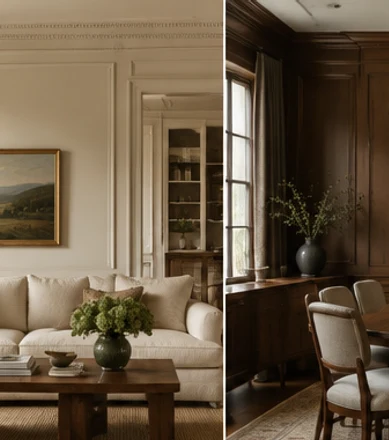
Molding, paneled walls, ceiling trim, and traditional fireplaces give a room structure. New traditional design does not need to remove those details to appear contemporary. Instead, it changes the furniture around them.
A relaxed sofa with simpler lines can soften a formal room immediately. Linen-like upholstery, a deeper seat, loose cushions, or gently rounded arms can make classical architecture feel easier to live with. The sofa does not need to look ultra-modern; it simply should not repeat every ornate detail in the room.
Keep the wall treatment visible. If the trim is beautiful, avoid covering it with oversized furniture or a gallery wall that ignores the panel proportions. Use art and mirrors within the architecture rather than fighting it.
Color can unify old and new. Painting walls and trim in the same or closely related tone can reduce visual busyness while preserving the depth of the molding. A contrasting trim color creates a more traditional look. Both can work depending on how formal you want the room to feel.
Use tables with enough weight to relate to the architecture. A very delicate contemporary coffee table may look lost in a heavily paneled room. Dark wood, stone, or a simple upholstered ottoman can provide a stronger center.
Keep the styling lighter than the architecture. One large lamp, a few books, and meaningful art may be enough. The room already has detail built into the walls.
2. Balance Dark Wood With Contemporary Art

Dark wood is often associated with older interiors, but it can feel extremely current when paired with clean art, simple upholstery, and enough light. Walnut, mahogany-toned finishes, dark oak, and antique furniture bring depth that pale rooms sometimes lack.
The mistake is surrounding dark wood only with other traditional signals. A carved table, ornate chairs, classical art, heavy curtains, and dark walls can create a highly formal room. If that is not your goal, introduce contrast through contemporary artwork, simpler chair shapes, or a sculptural light.
Art does not need to match the furniture. Abstract work, photography, large color fields, or simple line drawings can create a useful generational contrast. One large piece often works better than several small works when the furniture is already visually substantial.
Use pale or mid-tone walls when the room needs more brightness, or embrace deeper color when the room receives strong light. Dark wood does not automatically require cream walls, but it does benefit from enough tonal contrast that the grain remains visible.
Reflective metal and glass can also lighten the composition. Nickel, chrome, brass, or a glass shade can sharpen the darker wood without making the room feel cold.
Keep the table surface practical. A dark wood dining table has enough character to stand largely clear between meals.
3. Use Patterned Curtains Against Simpler Furniture
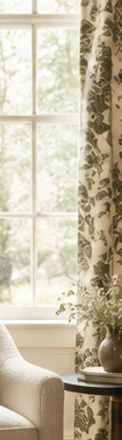
Traditional rooms often use pattern generously, but new traditional interiors benefit from assigning the strongest pattern to one or two large surfaces. Curtains are ideal because they create height, soften windows, and can introduce color without adding more furniture.
Floral, stripe, check, block print, or small-scale motifs can all work. Choose the pattern from the room’s fixed elements. A curtain that contains one color from the rug and one from the upholstery will connect the room without requiring perfect coordination.
Keep the main sofa or bed quieter when the curtains are strong. This lets the pattern frame the room rather than compete with every seat. One or two patterned cushions can repeat the curtain colors without copying the fabric exactly.
Full-length curtains generally feel more finished than short panels in living and bedroom spaces, but the exact length should suit the architecture, radiators, vents, and floor. Avoid excessive pooling where it becomes difficult to clean.
Hardware can be understated. A simple wood, brass, black, or painted rod allows the textile to carry the character. Ornate finials plus ornate fabric may be more traditional than the fresh balance you want.
Window treatments are also practical. Lining, privacy, light control, and insulation may matter as much as the pattern. Choose the construction around the room’s actual needs.
4. Ground the Room With a Vintage Rug and Add a Sculptural Light
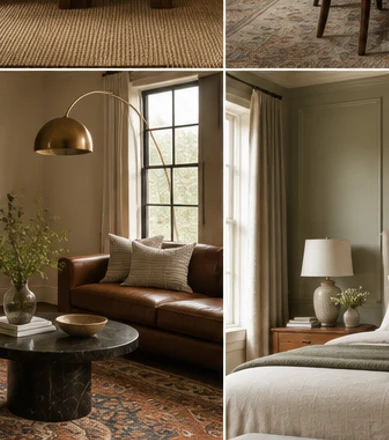
Rugs and lighting are two of the easiest places to mix eras because they occupy different parts of the room. A faded traditional rug can provide color and history underfoot while a contemporary pendant or floor lamp adds a cleaner shape above.
Choose the rug large enough to relate to the furniture. An undersized vintage rug may look charming on its own but can make the seating arrangement feel fragmented. If the perfect older rug is too small, layer it over a larger quiet base only when both lie safely and flat.
Let the light fixture be clearly contemporary rather than choosing a slightly updated traditional chandelier. Sculptural paper, glass, metal, plaster, or fiber can create a stronger contrast and make the older rug feel intentional.
Color does not need to match exactly. The rug may contain rust, blue, cream, and green while the light is neutral. Repeat only one or two rug colors elsewhere through art or upholstery.
Vintage rugs need condition checks. Inspect edges, worn areas, odors, and whether professional cleaning is appropriate. A rug that constantly sheds or curls at the corners is not a practical foundation.
The old-new pairing can work in bedrooms, dining rooms, entries, and living rooms. It is one of the most reliable ways to make traditional elements feel current.
5. Soften Paneled Bedrooms With Relaxed Linen
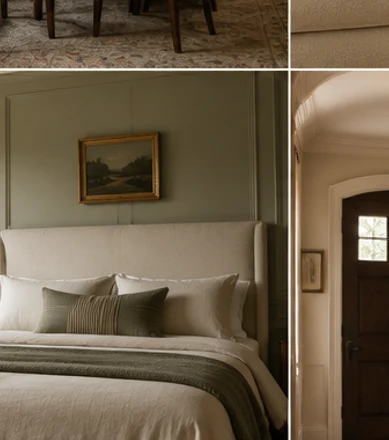
Paneling gives a bedroom architecture and rhythm, but it can become formal when combined with heavily tailored bedding, ornate furniture, and symmetrical accessories. Relaxed textiles create a useful counterpoint.
Use washed linen, cotton, wool, or simple quilted fabrics in warm neutrals or muted color. The bed should look inviting and easy to reset, not as though every pillow must be arranged precisely.
Nightstands can be mismatched but related. One older wood table and one simpler painted chest can work when the lamps or heights connect them. Perfect symmetry is optional.
Keep window treatments soft. A patterned curtain can add traditional character, while a plain linen curtain makes the room quieter. Choose based on how much pattern the paneling and rug already provide.
Lighting should support reading and evening comfort. Wall sconces or table lamps can be classic in shape without being ornate. A contemporary ceiling fixture can provide a fresher note overhead.
Limit accessories around the bed. The paneling already gives the walls depth, so art and objects can be fewer and larger.
6. Refresh a Traditional Entry With One Sculptural Element

Entryways are ideal for new traditional design because they need relatively little furniture. A traditional console or chest can remain while a sculptural mirror, contemporary lamp, or simple artwork updates the composition.
Use the console for real entry functions. Leave room for keys, mail, or a small bag. A drawer can hide chargers, dog leads, or small essentials. The surface should not be so styled that daily use becomes inconvenient.
Mirror shape can provide the contemporary contrast. An irregular, arched, round, or simple oversized mirror can sit above a traditional wood piece and create a stronger effect than replacing the furniture.
A runner can bring pattern and warmth, but keep it low enough to clear the door and secure enough for a high-traffic area. A traditional rug works well because the mirror or lighting can provide the modern note.
Keep the wall color connected to adjacent rooms so the entry does not feel like a separate decorating experiment. A stronger paint color can work in a contained hall, but consider how it frames views into nearby spaces.
One updated element is often enough. The entry should introduce the home, not display every design idea at once.
What Is New Traditional Interior Design?
New traditional combines classic architecture, furniture forms, wood, pattern, and historical references with more relaxed contemporary elements. It tends to keep traditional proportion and craftsmanship while reducing rigid matching, heavy ornament, and formal styling.
The style is flexible. One home may lean strongly traditional with a few modern lights and artworks. Another may be mostly contemporary with a traditional rug, dark wood cabinet, and patterned curtains. The balance depends on the architecture and the people who live there.
How Is New Traditional Different From Grandmillennial?
Grandmillennial style often embraces nostalgic pattern, skirted furniture, chintz, ruffles, trims, collections, and decorative references associated with older traditional interiors. New traditional can overlap with that vocabulary, but it is usually more edited and less committed to nostalgic layering.
A new traditional room might use one floral curtain rather than floral fabric across several pieces, or one skirted table beside clean-lined upholstery rather than building the entire room around classic decorative motifs.
How to Choose a New Traditional Color Palette
Warm white, cream, taupe, olive, dusty blue, burgundy, chocolate, deep green, and muted yellow all work well. The palette should feel grounded rather than pastel or icy.
Use darker color where the architecture can support it. A paneled dining room may look beautiful in deep olive or brown, while a small north-facing bedroom may benefit from warmer cream and darker wood accents.
Repeat colors through textiles and art rather than matching every upholstery fabric.
How to Mix Wood Tones
Traditional rooms often contain more wood than contemporary ones, so exact matching is unrealistic and unnecessary. Use one dominant tone and allow related lighter or darker woods around it.
A dark dining table can sit on pale oak flooring. A walnut chest can work beside a medium oak bed. Rugs, paint, and upholstery create visual breaks between the woods.
Clear contrast is often easier than near-matching stains.
How to Use Pattern in a New Traditional Room
Use a hierarchy. Choose one main pattern, one smaller supporting pattern, and solids. A floral curtain with a striped cushion and plain sofa is a simple example.
Patterned rugs can carry several colors and make mixed furniture easier to connect. If the rug is strong, keep large upholstery quieter.
Do not use traditional pattern everywhere simply to prove the style. Restraint is what makes it feel new.
How to Use Contemporary Art
Contemporary art prevents traditional furniture from becoming a period display. Choose work you genuinely like rather than art selected only for contrast. Scale matters more than subject.
A large abstract above a dark wood sideboard can make the furniture feel sharper. Photography inside paneled walls can create a similar tension. Keep frames simple if the art and architecture already have presence.
How to Update Traditional Furniture You Already Own
Change the context before changing the furniture. Move an old chest beneath modern art, replace the lamp, simplify the objects on top, or place it against a deeper paint color. The piece may feel entirely different without refinishing.
If upholstery is worn, a new fabric can refresh the frame. Choose a material that respects the shape while fitting your household. A traditional chair in a simple solid fabric can become much less formal.
How to Use Traditional Details in a Modern Home
You do not need historical architecture. Add depth through a vintage rug, dark wood table, framed doors on one cabinet, patterned curtains, classic lamps, or traditional artwork.
Keep the overall room clean enough that these details feel intentional. A modern apartment can support a traditional chest and floral curtain without adding faux paneling to every wall.
How to Make Traditional Rooms More Comfortable
Prioritize seat depth, lighting, table access, and everyday storage. Formal furniture arrangements that look balanced but discourage conversation should be adjusted.
Move chairs closer, use softer lamps, reduce decorative cushions, and give frequently used items a clear place. Comfort is what makes traditional rooms feel current.
New Traditional for Small Spaces
Use fewer substantial pieces. One dark wood chest can provide storage and character. One patterned curtain can carry the traditional layer. One sculptural light can add contrast.
Avoid filling the room with many small antique-style objects. Small spaces benefit from editing even when the style is layered.
New Traditional for Renters
Focus on movable elements: curtains, rugs, lamps, art, mirrors, small wood furniture, and bedding. These can create the style without permanent molding or built-ins.
If painting is allowed, a deeper wall color can make simple rental architecture feel more grounded.
Common New Traditional Mistakes
The first is making everything traditional. Without contemporary contrast, the room can feel like a period recreation. The second is replacing comfortable furniture simply because it is not stylistically “correct.”
Another mistake is overusing pattern and trim. New traditional relies on editing. Finally, avoid matching furniture sets; varied pieces make the room feel more natural.
Frequently Asked Questions
Is new traditional style timeless?
No style is completely timeless, but traditional materials, useful furniture, quality textiles, and restrained architectural details can age well when they suit the home and are not tied to one short-lived trend.
Can I mix modern furniture with traditional architecture?
Yes. That contrast is central to the style. Use proportion and color to connect the pieces.
Do I need antiques?
No. New furniture with classic forms, vintage rugs, dark wood, pattern, and traditional detailing can create the effect. Older pieces simply add another layer of history.
What lighting works with new traditional style?
Both classic and sculptural contemporary lighting can work. A modern pendant in a traditional room is one of the easiest ways to freshen the style.
Can new traditional be colorful?
Yes. Olive, burgundy, blue, yellow, brown, and deep green can all work. Use color in relation to the architecture and natural light.
How do I stop traditional decor from feeling formal?
Use comfortable upholstery, relaxed textiles, contemporary art or lighting, fewer decorative objects, and furniture arrangements designed around how people actually use the room.
A Simple New Traditional Formula
Keep one classic architectural or furniture element, add one relaxed contemporary upholstered piece, introduce one patterned textile, ground the room with wood or a vintage-style rug, and finish with one modern light or artwork. Then stop and live with the room before adding more.
How to Use Traditional Furniture Without Making the Room Feel Heavy
Traditional furniture often has more visual weight than contemporary pieces because of darker wood, thicker legs, carved details, or deeper upholstery. The simplest way to keep the room fresh is to separate the strongest pieces rather than clustering them together. A dark cabinet can stand against a light wall while the sofa remains soft and simple. A carved table can sit beneath a clean pendant. The contrast gives each piece space.
Limit the number of ornate silhouettes in one view. If the dining table has turned legs and the sideboard is heavily detailed, choose simpler chairs. If the bed has a carved wood frame, keep the nightstands and bench quiet. Traditional details become easier to appreciate when they are not repeated everywhere.
Use lighter textiles around heavy furniture. Linen curtains, pale upholstery, a wool rug, or warm white walls can keep dark wood from visually closing the room. The opposite works too: a pale traditional piece can sit against a deeper wall for more definition.
Do not assume refinishing is necessary. Changing the wall color, art, hardware around the room, or nearby lighting may be enough to make an inherited piece feel relevant again.
How to Choose Sofas and Chairs for New Traditional Rooms
The main upholstery should be comfortable enough for everyday use. Rolled arms, skirted bases, English arms, Lawson-style sofas, loose backs, and cleaner modern forms can all fit the style. What matters is the relationship between the upholstery and the room’s more traditional elements.
A simple sofa works well with ornate architecture. A slightly more traditional sofa can work in a plain modern room. Avoid repeating heavy detail in both places unless you deliberately want a more formal result.
Chairs can introduce pattern or a stronger silhouette. One floral or striped chair may provide enough traditional character when the sofa is solid. Two clean-lined chairs can make an older sofa feel fresher.
Seat height and depth should remain compatible across the conversation area. Mixed styles feel intentional when people can sit together comfortably and side tables work for more than one seat.
How to Use Wallpaper in a New Traditional Way
Wallpaper can bring pattern and architecture into a room that lacks both, but new traditional rooms often benefit from using it selectively. A dining room, powder room, entry, bedroom alcove, or one paneled area can carry stronger pattern while adjacent spaces remain calmer.
Florals, stripes, small geometrics, botanical motifs, and scenic papers can all work. Choose the pattern scale in relation to the room and furniture. Tiny busy motifs across a large room can create visual noise, while a broader repeat may feel calmer.
If the wallpaper is the main decorative statement, keep upholstery simpler. Repeat one or two colors from the paper in the rug, curtains, or art rather than searching for exact matches.
Traditional paper can feel more contemporary when paired with modern lighting or a clean mirror. You do not need to add ornate furniture simply because the wall pattern has historical references.
How to Use Skirted Furniture Without Making It Look Fussy
A skirted table, sofa, or chair can add softness and traditional character, especially in rooms with many wood legs and hard surfaces. The key is keeping the fabric and surrounding details controlled.
A plain linen or subtle stripe on a skirted table can feel relaxed. Heavy trims, multiple ruffles, and several skirted pieces in the same room create a more decorative result. Use one as a soft counterpoint rather than making every upholstered piece touch the floor.
Skirted tables are useful because they can hide storage underneath. Keep the storage organized so accessing it does not turn the table into a daily obstacle.
How to Make a Traditional Fireplace Feel Current
Keep the fireplace surround if it has good proportion and material. Update the room around it before replacing the architecture. A contemporary artwork, simple mirror, sculptural sconces, or clean mantel styling can change the entire wall.
Avoid filling the mantel with many small symmetrical objects. One artwork and two lamps or candlesticks may be enough. Asymmetry can also work when the composition is balanced.
If the fireplace is nonfunctional, treat the opening honestly rather than filling it with unrelated decor. Logs, a simple screen, or an empty dark recess can look calmer than a crowded display.
How to Mix Silver, Brass, and Dark Metal
Traditional homes often accumulate different metals over time. New traditional design does not require replacing them all. Choose one finish to dominate each room and let the others appear as secondary accents.
Polished nickel or chrome can freshen dark wood. Brass can warm pale paint and stone. Blackened metal can add definition around mirrors or lighting. The mixture looks intentional when finishes repeat rather than appearing once each.
Current 2026 design coverage has highlighted renewed interest in silver-toned finishes alongside traditional details and mixed schemes. That makes the old rule of matching every metal even less useful. Proportion and repetition matter more than perfect uniformity.
How to Make a New Traditional Kitchen
Keep cabinetry functional and let a few classic elements provide character: framed doors, warm wood, unlacquered or polished metal hardware, a furniture-like island, cafe curtain, or traditional table. Then add cleaner lighting, simple counters, and edited open storage.
Avoid making every cabinet decorative. A mix of simple and framed fronts can feel more current, especially when the room already contains patterned stone or tile.
Our cozy collected kitchen ideas offers more detailed guidance for mixing old and new in a working kitchen.
How to Make a New Traditional Bathroom
Use one furniture-like vanity, classic mirror, or patterned tile, then balance it with simpler lighting and clean storage. Warm wood can soften white tile, while polished nickel or chrome can keep darker traditional finishes fresh.
Do not overdecorate the counter. Bathrooms need visual calm and easy cleaning. Traditional character can come from the built elements rather than many small accessories.
How to Create a New Traditional Home Office
A traditional wood desk or cabinet can provide weight, while a modern ergonomic chair, contemporary art, and clean task light keep the room functional. Books and personal objects add character naturally.
If the desk is ornate, keep the background quiet. If the desk is simple, patterned curtains or a vintage rug can carry more of the style.
How to Use New Traditional Style in an Open-Plan Home
Repeat materials rather than furniture sets. A dark wood dining table can relate to a smaller wood cabinet in the living area. Patterned curtains can share a color with the sofa rug. The same metal can appear in lighting across both zones.
Keep each zone distinct through function and lighting. A pendant over dining and floor lamp near the sofa create separate centers without walls.
Do not make every area equally traditional. One zone can lean more modern while another carries stronger classic details, as long as the palette and materials connect.
How to Add Traditional Character to a Plain Box Room
If the architecture is simple, begin with movable layers before installing molding. A substantial wood piece, vintage-style rug, curtains with pattern, art, and lighting may provide enough character.
Molding can add dimension when it suits the room, but proportions matter. Very heavy paneling in a small low-ceilinged room can feel artificial. Simpler trim may look more convincing.
Paint is another tool. A deeper, historically influenced color can create richness even when the walls are plain. Pair it with simple modern furniture so the effect remains fresh.
How to Edit a Traditional Room That Feels Dated
Remove the matching accessories first. Lamps, side tables, cushions, and art that were all purchased as a set can make the room feel frozen in one moment. Keep the best pieces and vary the rest.
Next, simplify the window treatments if they are overly heavy for the current room. You may be able to keep the patterned fabric while reducing extra trims or layers.
Replace one light fixture with something cleaner or more sculptural. Lighting can shift the room’s era quickly without changing the furniture.
Finally, edit surfaces. Traditional rooms often feel dated because they are overfilled rather than because the furniture is inherently wrong.
How to Build the Style Slowly
Start with the pieces you already own that have quality, history, or practical value. Add contrast rather than replacing everything. A contemporary lamp beside an old chest may be enough to change its context.
Choose future purchases for longevity and function. A good wood table, comfortable sofa, useful cabinet, or quality curtain can remain while smaller trends change around them.
Let empty spaces remain. New traditional design is strongest when classic details have room to be noticed.
Final Thought
New traditional design works because it does not ask you to choose between history and comfort. Keep the molding, wood, pattern, and furniture that give a room weight, then lighten the experience with relaxed upholstery, contemporary art, sculptural lighting, and fewer objects. When the old and new elements support one another, the result feels familiar without feeling frozen in time.
Other Articles
Fall Lighting Ideas for a Warmer Home After Sunset
Collected Interior Style: How to Mix Old, New, Personal, and Practical


