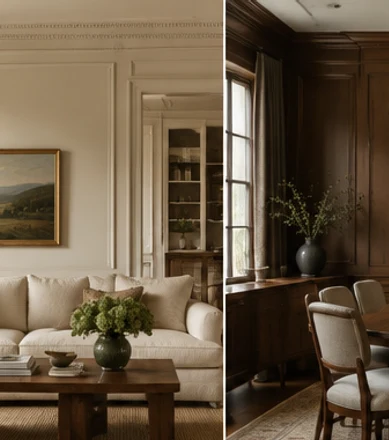

A spring refresh can begin by taking something away. A heavy throw no longer needed, a crowded window ledge, or a collection of winter belongings by the door may be the first things to address. The room can feel different before you buy a single new accessory.
That lighter approach is the focus of these spring home decor ideas. Instead of replacing the whole palette with pastels, work with the furniture and colors you already enjoy. Make a small change to texture, shape, or arrangement where it improves the way the home feels and functions.
The six ideas below cover the living room, textiles, flowers, windows, the entrance, and dining. Adapt them to your local season and household. Spring does not arrive with the same temperatures or routines everywhere, so choose the changes that make sense in your home rather than following a fixed calendar display.
Six spring changes to consider
1. Start With the Room’s Existing Light and Open Space
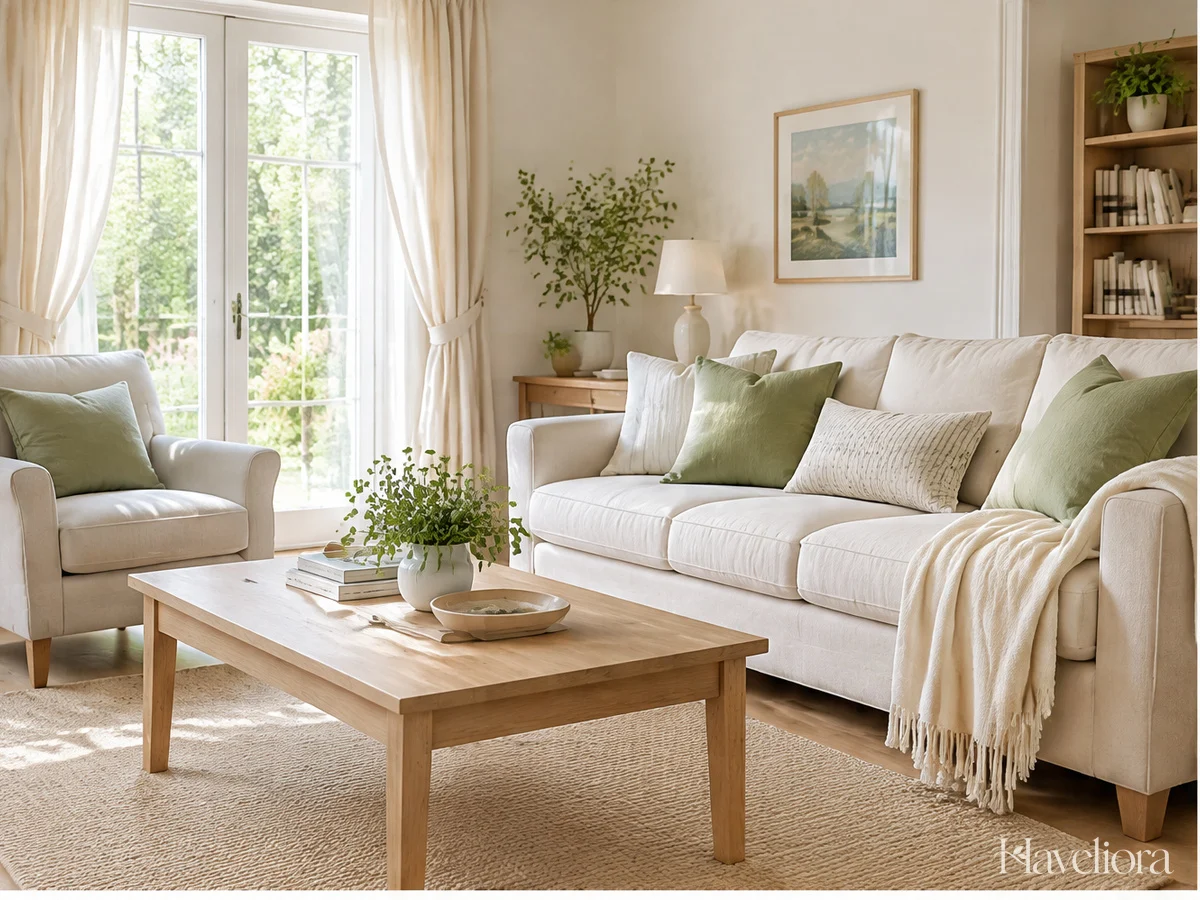
Look at the main room in daylight. Notice whether textiles, objects near the window, or furniture positions make it feel more enclosed than you want. Remove one unnecessary layer or object and assess the difference before deciding the room needs a new color scheme.
Keep the useful seating arrangement intact. A seasonal refresh should not make conversation or movement more awkward simply to create an airy photograph. Focus on the pieces that can change without disrupting daily comfort.
Try one gentle accent that relates to the existing palette. Pale green, a quieter blue, warm cream, or a restrained blush can work, but none is required. A fresh-looking room can remain mostly neutral when texture and arrangement provide the seasonal variation.
Give personal objects a little more space. Reducing a crowded grouping can make the remaining pieces easier to appreciate. Do not interpret an empty section of shelf or tabletop as something that immediately needs a spring ornament.
For a first test, remove the heaviest visual layer and open the window treatment to its normal usable position. Spend time in the room before adding anything. The simplest change may already create the effect you wanted.
2. Swap Covers and Throws Instead of Adding Another Layer
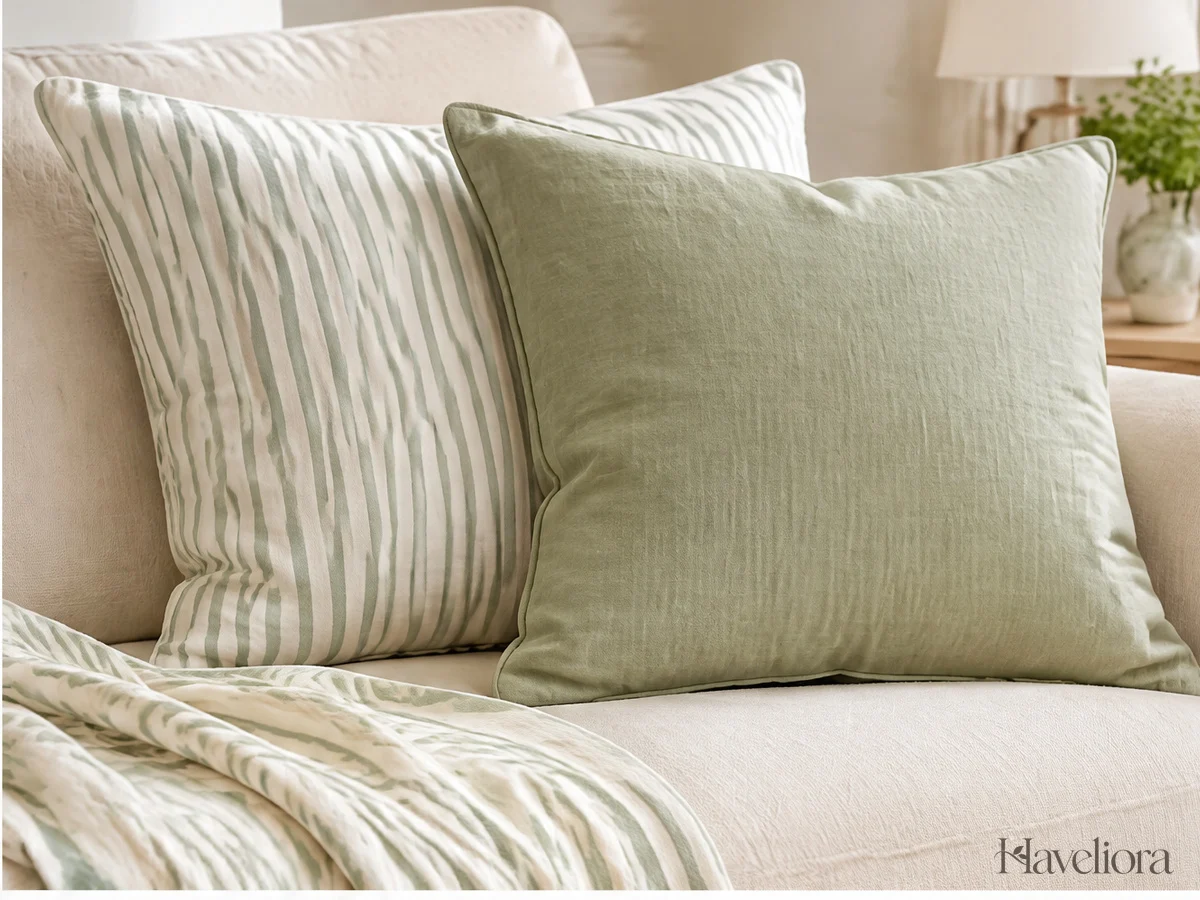
A cover or throw is an easy place to make a seasonal change because it can be removed and stored. Choose one or two pieces that alter the room’s texture or color without increasing the number of objects on the furniture.
Consider actual temperature and use. A lighter cotton layer may suit warmer days, while a household still experiencing cool evenings may want to keep a useful blanket nearby. Decorative timing should not override comfort.
Mix a subtle pattern with a plain fabric rather than introducing several new motifs. A narrow stripe beside a quiet sage cushion can give a neutral sofa some variation. If the rug or curtains already have strong pattern, keep the seasonal textiles simpler.
Read care instructions and clean the outgoing fabrics as appropriate before storage. Give them a defined place so the seasonal change does not create a new pile in the bedroom or hallway. A small rotating collection is easier to manage than buying additional pieces every year.
For a budget-friendly change, move a suitable textile from another room and test it in the main seating area. A familiar object can feel different in a new context without becoming another purchase.
3. Choose a Small Arrangement That Fits the Household
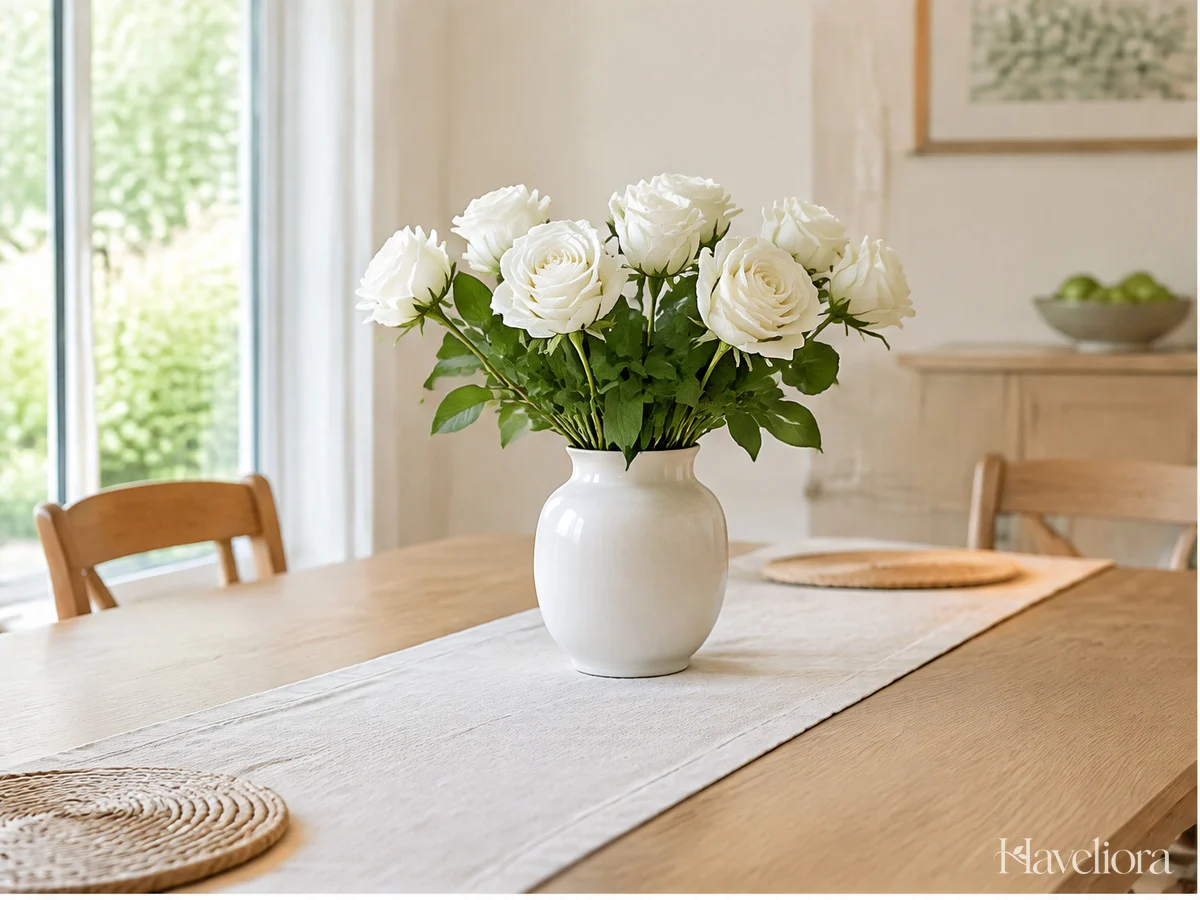
Flowers can provide a seasonal focal point, but the arrangement does not need to be large. A few stems in a stable vase can be enough, particularly in a room where the palette is restrained.
Choose the position before the arrangement. A dining table needs clear sightlines and room for food; an entry shelf needs to withstand bags passing nearby; a bedside surface needs space for practical items. Match the vase and height to the location rather than moving an oversized arrangement around the home afterward.
Consider the exact plants and flowers when pets share the space. The ASPCA’s plant database is a useful reference for checking species, and it notes that its list is not exhaustive. Do not assume that a flower is suitable simply because it appears often in home photographs.
Protect the surface beneath the vase and maintain the arrangement appropriately. Remove deteriorating material and keep the display easy to lift for cleaning. A botanical print or a simple sculptural vase can provide a similar decorative theme when fresh flowers are not practical.
Keep the floral arrangement restrained: choose one main floral position rather than placing a small vase on every surface. A clear focal point can feel more intentional and be easier to maintain.
4. Reset the Area Around the Windows
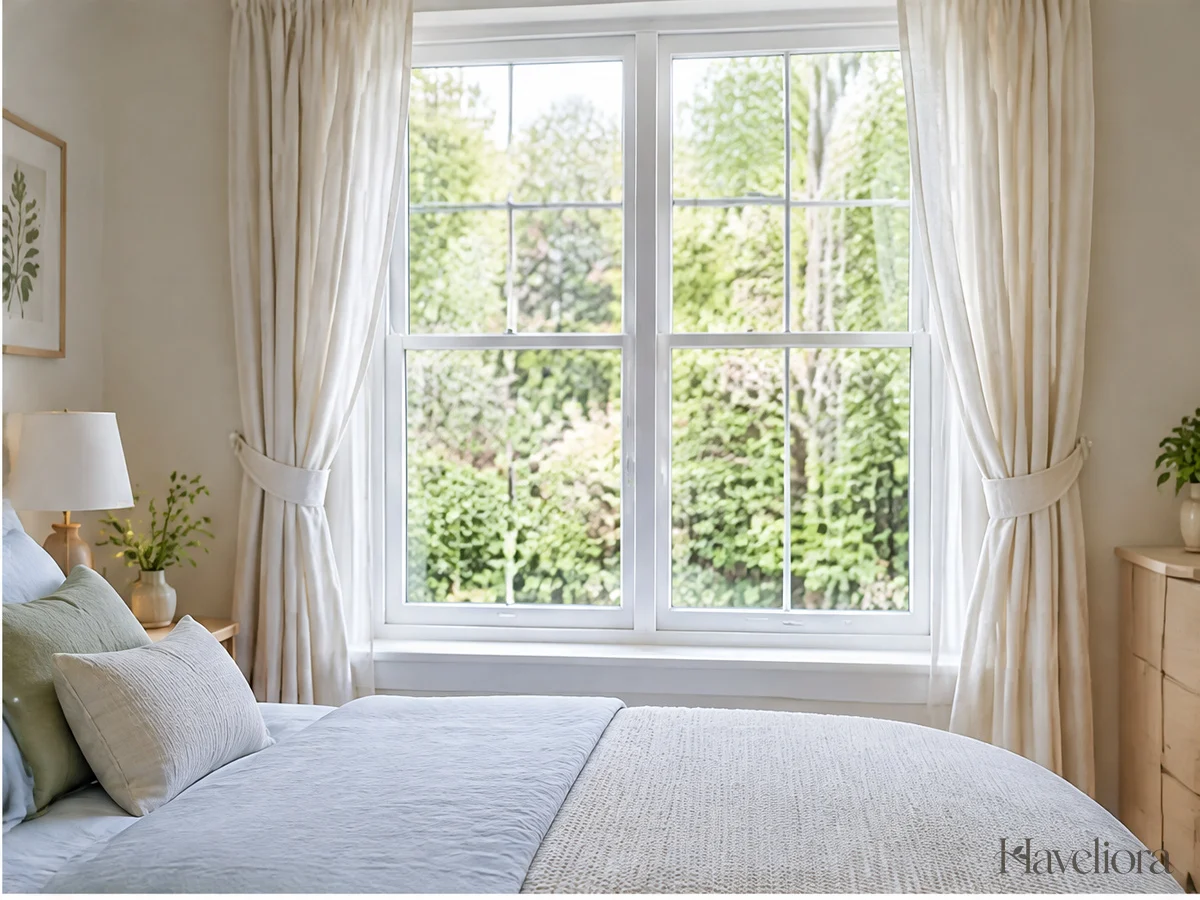
The window area often accumulates plants, decorative objects, and furniture that partly block its useful space. Review that collection and keep only what belongs there. A clearer opening can change the composition of the room without altering the window itself.
Check the curtains or blinds for fit and function. Open panels should not unnecessarily cover the glazing, and the treatment should still provide the privacy and light control you need. A sheer may look lighter but may not be sufficient after dark.
Follow appropriate care instructions for the glazing and fabric. Use suitable methods and safe access rather than stretching from unstable furniture to reach a high area. For difficult external or high-level cleaning, use an appropriate professional service.
Do not let a decorative refresh interfere with ventilation, window handles, or an opening that needs to remain accessible. Keep fabric away from heaters and preserve the practical use of the window.
To connect the window area with the room, repeat a quieter tone from the curtain in the bedding or seating. That can make the newly simplified window area feel part of the room instead of a separate bright patch.
5. Update the Entrance for What You Are Using Now
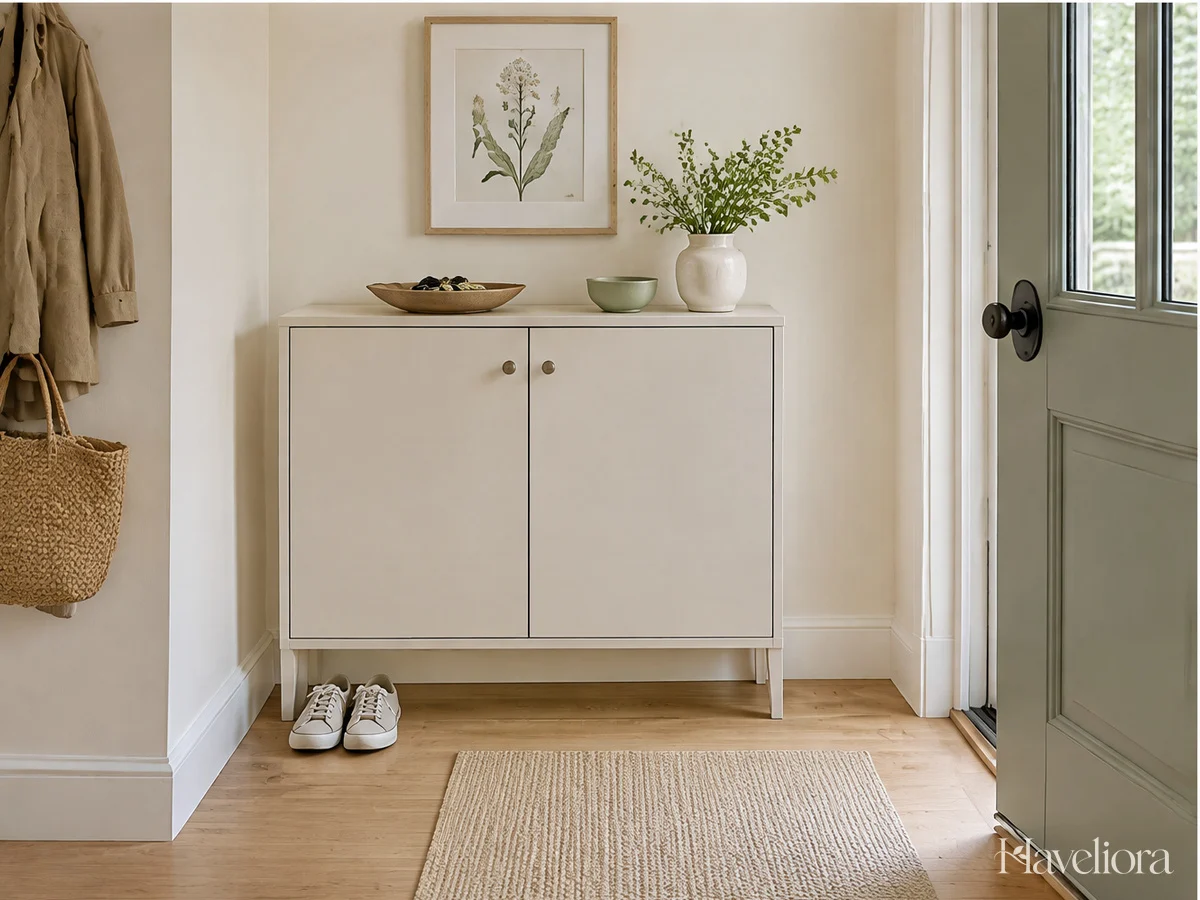
Review the coats, shoes, and bags kept at the entrance. Move out-of-season pieces to their main storage when appropriate and leave room for the items currently in use. This can make the area feel refreshed before adding any decoration.
Keep the arrival sequence simple. Keys need a predictable place, daily shoes need accessible storage, and the route through the doorway must remain clear. A seasonal display should not replace the only useful landing surface.
Choose one small visual change, such as a botanical print or a quieter textile suited to the location. Connect it to the rest of the home through a repeated color rather than creating a separate spring theme for the hallway.
Check mats for condition, fit, and suitable backing. Keep edges flat and ensure the door opens properly. Choose the product around the floor and use rather than color alone.
After a week, notice which objects still accumulate after the reset. They may need a better destination rather than another decorative basket. Our small entryway guide explains how to plan those everyday functions.
6. Create a Seasonal Table That Is Easy to Use Every Day
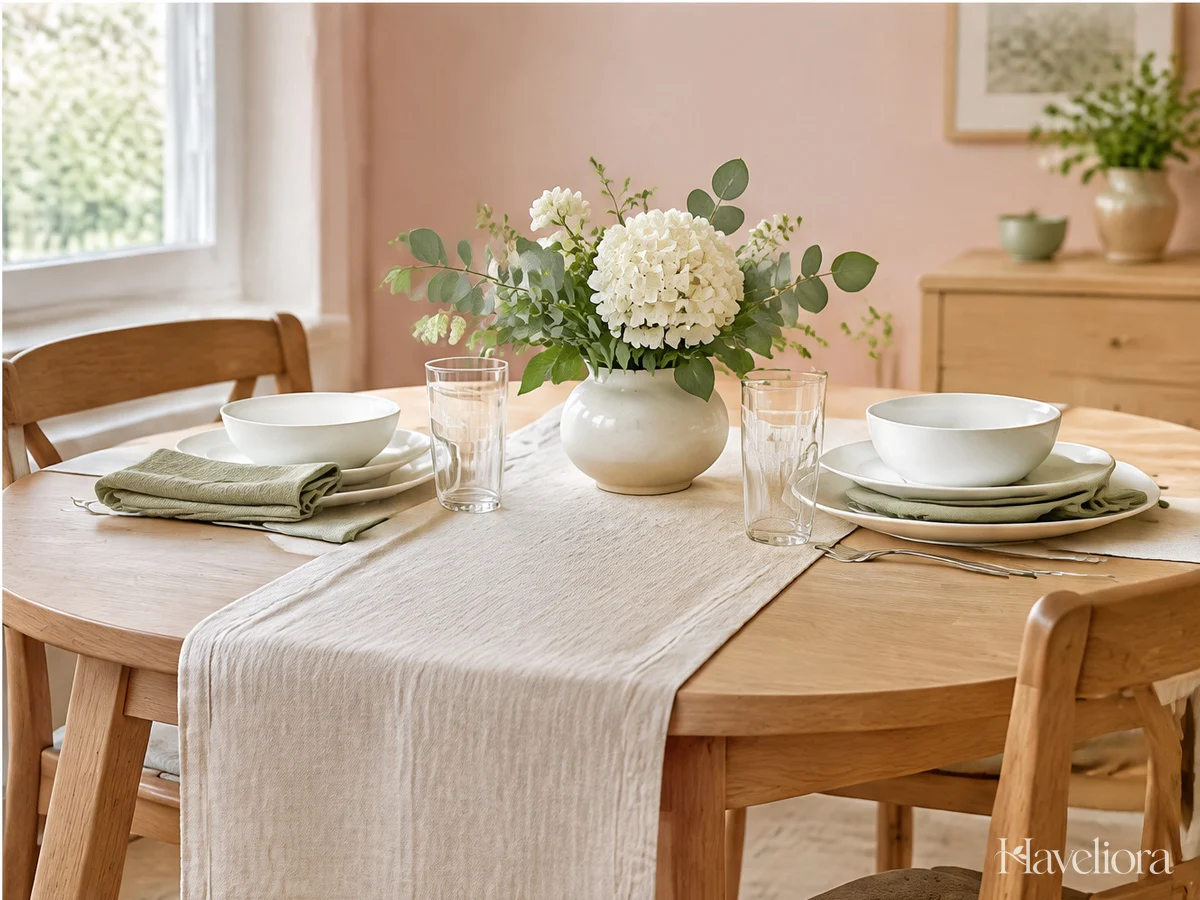
Use a small change in linen, napkins, or a low centerpiece rather than replacing the entire table setting. Plain dishes can provide a flexible background for a seasonal accent and remain useful beyond the refresh.
Keep enough space for the food and the people. A runner should fit the table without creating an awkward overhang, and the centerpiece should not occupy the only serving area. Set the table for a normal meal before deciding the decorative arrangement is complete.
Choose materials you can care for comfortably. A washable textile may suit everyday use better than a delicate layer that makes the table feel reserved for special occasions. Keep the number of pieces manageable enough to reset quickly.
Connect the table to the surrounding room with one repeated tone. A pale green napkin can echo a cushion nearby, or the wood of the table can remain the warm anchor while the accessories become lighter. The whole room does not need to change for the table to feel seasonal.
For a flexible finish, choose a single grouping that can be removed when the table is used for work or hobbies. Seasonal decoration should adapt to the household rather than demand a permanently unused surface.
A Spring Refresh Without Accumulating More Decor
Begin with editing and care: put away textiles no longer needed, clear the window area, and return out-of-season belongings to storage. These changes often reveal how little needs to be added.
Choose one color or texture adjustment in the room you use most. Try a cover, a lighter throw, or a simple table textile. Let that choice guide any smaller supporting detail rather than shopping for several unrelated seasonal objects.
Finish with one personal or natural focal point in a suitable place. Keep the arrangement small enough to maintain, and store the outgoing pieces carefully so they can be reused when the season changes again.
For a connected background that works year-round, see neutral home decor ideas. For a later warmer seasonal shift, explore fall decorating with restrained color and texture.
Frequently Asked Questions
Does spring decor have to use pastels?
No. A clearer arrangement, lighter textile texture, or a small natural detail can suggest a seasonal change while the existing palette stays intact. Choose colors you enjoy rather than a compulsory set of spring shades.
Can I refresh a room without buying anything?
Yes. Edit the visible objects, rearrange a useful textile, clear the window area, and move a personal piece to a better position. Observe those changes before deciding what, if anything, is missing.
What should I do with the outgoing seasonal pieces?
Clean and store them according to their materials and care instructions. Keep a defined collection and photograph arrangements you liked. Reusing a small group is easier than creating new storage problems with every seasonal refresh.
A thoughtful spring home feels lighter because its usable space is clearer and the changes suit the household. Keep the familiar foundation, adjust a few layers, and let the room remain comfortable to live in.
Other Articles

Fall Bedroom Ideas for a Cozy, Layered Retreat
Christmas Home Decor Ideas for a Warm, Uncrowded Home