
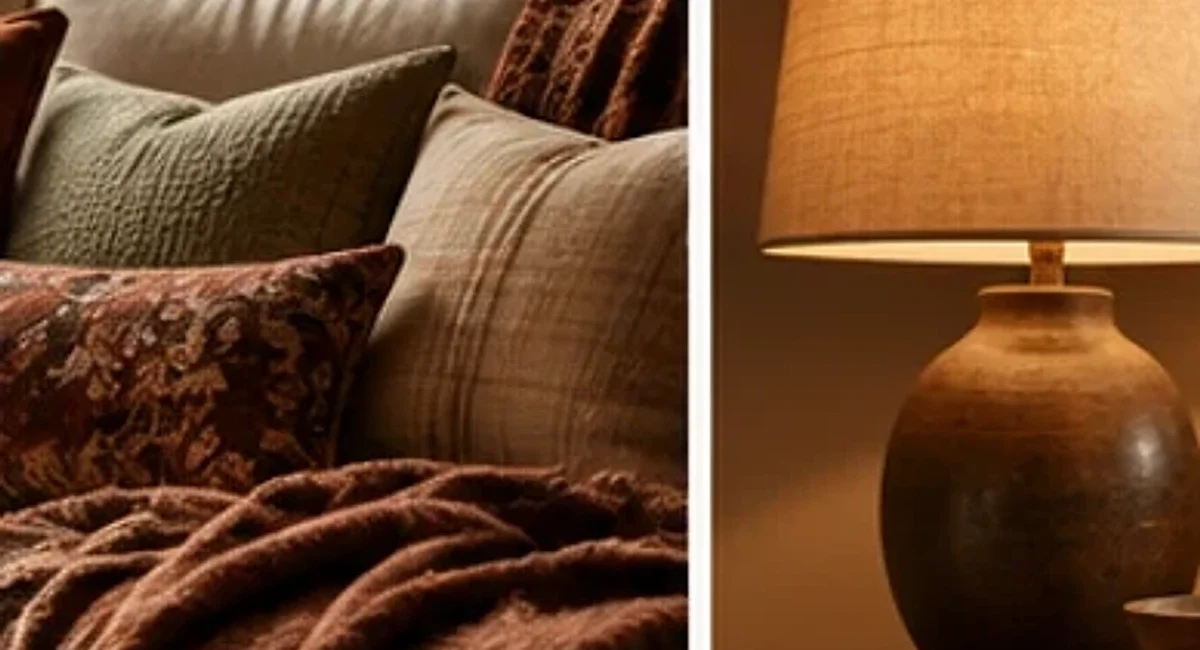
A cozy fall living room does not need to look like a seasonal display. The strongest rooms feel different because the everyday experience changes: the sofa becomes more inviting, the lighting is softer after sunset, the rug feels generous underfoot, and the objects within reach support the way you actually spend an evening. That is the idea behind “comfort stacking”—building several small layers of comfort until the whole room feels warmer without becoming crowded.
In 2026, living room design has continued to move away from perfectly matched furniture sets and anonymous minimalism. Recent design coverage has emphasized rooms with personality, mixed seating, vintage pieces, layered textiles, reading corners, conversation zones, richer color, and lighting that creates atmosphere instead of relying on one bright ceiling source. That direction makes fall an especially useful time to edit a living room, because cooler evenings reveal whether the room is truly comfortable or only visually complete.
This guide focuses on practical fall living room ideas that can work in an ordinary home. You do not need a new sofa, a fireplace, or an entire seasonal collection. You can begin with the room you already have and improve the way it feels through textiles, lighting, arrangement, and a few personal details. If your living room is compact, keep our small living room ideas nearby. For a broader year-round approach, our cozy living room guide covers layout and comfort in more depth.
1. Layer Textiles Where They Improve Real Comfort

The fastest way to make a living room feel more comfortable in fall is usually through textiles, but layering only works when each piece adds something distinct. A sofa covered in many cushions and folded blankets may look generous in a photograph while being awkward to use. The better approach is to identify where softness, warmth, or color is actually missing.
Start with the sofa. If the upholstery is smooth and neutral, one wool or brushed-cotton throw can add enough texture. If the sofa is already heavily textured, choose a smoother blanket or a cushion with a quieter surface. Contrast matters more than quantity. Linen beside wool feels layered; six similar boucle cushions simply repeat the same effect.
Think about who uses the room. If one seat is always occupied in the evening, keep the warmest throw there rather than styling it at the opposite end for symmetry. If cushions are constantly moved to the floor, reduce the number. A living room becomes genuinely cozy when the soft pieces support sitting, reading, talking, and watching television without requiring a reset first.
Fall color can be introduced through these removable layers. Caramel, cinnamon, ochre, olive, aubergine, mulberry, rust, and tobacco can all work, but the existing room should decide which one belongs. A blue-gray living room may respond better to burgundy than orange. A room with warm oak may need moss green rather than more brown. Let the fixed materials guide the seasonal color instead of following a generic autumn palette.
Pattern can also contribute warmth. Rather than using several small motifs of similar scale, combine one larger pattern with one quieter stripe, check, or solid. If the room already contains patterned curtains or a rug, repeat only one of their colors in the cushions. This creates continuity without making the space look coordinated as a set.
Recent fall design coverage has emphasized richer texture and purposeful layering rather than novelty decoration. That is useful because the textiles can remain long after the season changes. A good wool throw, linen cushion, or durable blanket becomes part of the room rather than something you need to store in January.
2. Build the Evening Around Lamps, Not the Big Light

The living room changes more dramatically after sunset than almost any other room. During the day, windows provide broad natural light and the room may feel balanced with very little effort. At night, one ceiling fixture can flatten the furniture, create harsh shadows, and make even a beautifully decorated room feel less welcoming.
Use several smaller sources instead. A table lamp beside the sofa can support reading and conversation. A floor lamp can illuminate a chair or corner that would otherwise disappear. A small lamp on a console or shelf can add depth behind the main seating. These sources do not all need to be equally bright; in fact, variation is what gives the room dimension.
Place light near the activities rather than distributing lamps only for symmetry. If you read at one end of the sofa, that end needs useful light. If a chair is used for conversation but not reading, a softer lamp may be enough. If the television wall is visually dark, a low lamp to the side can reduce the contrast between a bright screen and a black room without shining directly onto the display.
Lampshades are an easy seasonal adjustment. Linen, pleated fabric, paper, woven fiber, or a softly patterned shade can warm the fixture even when the lamp base remains the same. A darker shade can create a focused glow, while a lighter shade may spread more light. Test the result in the evening before deciding that the room needs another lamp.
If you want a complete lighting plan, the upcoming living room lighting ideas guide goes deeper into floor lamps, picture lights, sconces, portable lamps, and bulb choices. For a fall refresh, the principle is simple: give yourself a way to stop using the overhead light once the room no longer needs full brightness.
3. Use the Rug to Ground the Entire Seating Area

A rug has two jobs in a fall living room: it makes the floor more comfortable and it visually connects the furniture. When the rug is too small, the sofa, chairs, and table can appear to float as separate objects. When it is large enough to relate to the main seating, the room feels more settled.
Do not choose size only from a standard chart. Measure the actual furniture arrangement. In many rooms, having at least the front legs of the sofa and main chairs on the rug creates a coherent group. In smaller rooms, a rug that nearly fills the seating zone can make the space feel more generous than several small rugs.
Texture should suit the way the room is used. A thick shag rug may feel wonderfully soft but can be frustrating beneath a coffee table that is moved frequently or in a household where crumbs and pet hair are common. A low-pile wool, flatweave, or dense woven rug can still feel warm while being easier to maintain. Comfort includes upkeep.
Pattern is useful when the furniture is largely solid. A faded traditional motif, quiet geometric design, stripe, or irregular texture can introduce several colors without adding more objects. If the room already has patterned upholstery or curtains, a calmer rug may give those elements the space they need.
Layering rugs can work, but it should solve a real design problem. A smaller vintage rug over a larger neutral base can add character and define a conversation zone. However, the layers need to lie flat and stay secure. If the edges curl or create a trip hazard, the visual effect is not worth it.
Before buying, mark the proposed size on the floor with painter’s tape. Walk the room, pull chairs out, open doors, and see where the edges fall. This simple test is more reliable than judging a rug in isolation online.
4. Create One Small Zone That Invites a Slower Activity

A living room feels richer when it supports more than one activity. The main sofa may be oriented toward a television or fireplace, but a secondary chair can create a smaller moment for reading, conversation, knitting, listening to music, or simply sitting with a drink. Fall is a good time to make that zone more inviting because the room is likely to be used more in the evening.
Start with the chair, but do not stop there. A chair without light or a place to put something down often becomes a decorative object or a landing place for clothing. Add a lamp that reaches the reader, and position a small table, shelf, or ledge close enough for a cup or book. The three pieces together create a functional zone.
The chair does not need to match the sofa. Current living room design increasingly favors mixed seating, and the difference can make the room feel collected rather than purchased as a package. Connect the pieces through color, scale, wood tone, or one repeated textile. A vintage wood chair with a cushion can sit comfortably beside a contemporary sofa if the proportions are balanced.
In a small room, the reading zone may simply be one end of the sofa with a floor lamp and nearby table. You do not need to force an extra chair into the plan. The principle is to create a place where the light, surface, and seating support a slower activity.
Books can reinforce this zone naturally. A short shelf, stack on the table, or nearby bookcase makes the corner feel personal and useful. Avoid styling books solely by color if it makes them difficult to find. A home library should function as a library first.
This kind of small, analog corner also helps the living room feel less centered on the screen. Even if the television remains part of everyday life, giving another activity a visible place can change how the room is used.
5. Mix Vintage Wood With Softer Contemporary Pieces

One reason collected rooms feel warm is that the furniture does not all have the same age, finish, or manufacturer. A vintage wood side table beside a clean-lined sofa can make both pieces look more interesting. The old piece brings patina and detail; the new one brings comfort and simplicity.
You do not need true antiques to create this effect. Secondhand solid wood, a family piece, a repaired stool, an older frame, or a cabinet with visible grain can provide the same sense of history. The point is not rarity. It is variation.
When mixing wood tones, look for relationships rather than exact matches. Two warm woods can work together even if one is darker. A cooler dark wood can sit beside oak when another element—such as a rug, frame, or lamp—helps bridge the contrast. Avoid filling the room with many isolated wood tones that never repeat anywhere else.
Upholstery can soften the stronger geometry of older furniture. A plush sofa, relaxed linen chair, or upholstered ottoman gives the room a comfortable base, while wood tables and cabinets add structure. This balance is particularly effective in fall because the room gains warmth without relying entirely on textiles.
Keep scale in mind. A delicate vintage side table may disappear beside a large modular sofa. A heavy chest can overwhelm a slim chair. The pieces do not need to match, but they should look like they belong in the same physical room.
Our upcoming collected living room ideas guide will explore this old-and-new balance in much more detail. For a seasonal refresh, adding even one piece with patina can make the room feel less generic.
6. Turn the Coffee Table Into an Easy Evening Station

The coffee table is often overstyled because it sits at the center of the room. Fall can make that tendency worse when candles, decorative bowls, seasonal objects, and books are all added at once. A better approach is to style the table around what actually happens in the evening.
Start by leaving a useful area clear. You may need space for drinks, a remote, a laptop, a game, or snacks. If the table must be cleared every time the room is used, the styling is working against the furniture.
Group smaller objects rather than scattering them. A tray can hold a candle, matches, remote, or small dish. A short stack of books can raise one object and keep the arrangement contained. One bowl or vase can provide shape without taking over the surface. The table should look composed even when one or two everyday items are added.
If you enjoy candles, use them safely and only when you are present. A portable lamp can create a similarly intimate pool of light without flame and can be moved when the table is needed. In a household with children or pets, that may be a more practical choice.
Seasonal objects should earn their place. A ceramic bowl in a deeper glaze, a branch in a small vase, or a natural material may suggest fall more elegantly than a collection of themed decorations. When the rest of the room already contains warmer textiles and lighting, the coffee table can stay simple.
At the end of the evening, the table should be easy to reset. That quality contributes more to long-term comfort than a complicated arrangement that looks perfect only before anyone sits down.
Choose a Fall Living Room Palette That Works With the Fixed Elements
Before adding seasonal color, identify the colors you cannot or do not want to change: sofa upholstery, flooring, large curtains, built-ins, and wall paint. These become the foundation. Your fall palette should make them look more intentional, not fight them.
If the room is cool and gray, add warmth through caramel, tobacco, burgundy, muted rust, warm wood, or cream. If the room is already beige and brown, introduce olive, smoky blue, aubergine, or charcoal for contrast. If the sofa is strongly colored, repeat a quieter version of that hue in a throw or rug and let the seasonal accent come from a secondary color.
Use stronger color in smaller areas unless you are ready for a major change. One ochre throw or mulberry cushion can shift the room noticeably. Once the accent appears in three or four places, it can start to feel themed. Restraint often makes a seasonal color look more sophisticated.
How to Use Comfort Stacking Without Creating Clutter
Comfort stacking works when each layer contributes something different: one soft throw, one supportive cushion, one warm lamp, one rug, one reading corner, one useful tray. It stops working when every surface receives another decorative layer simply because the room is “supposed” to feel cozy.
Use a remove-before-add rule. Before adding a new cushion, object, or blanket, ask whether something else can leave the room. This keeps the visual density stable while allowing the seasonal mood to change.
Also protect circulation. A floor basket of blankets may look inviting, but if it narrows the route around the sofa it is not adding comfort. An ottoman can be useful, but not if it blocks a door. Cozy rooms should feel easier to use, not more crowded.
Fall Living Room Ideas for Small Spaces
Small living rooms benefit from concentrated comfort. Choose one excellent throw rather than several. Use a wall sconce or slim floor lamp instead of filling side tables. Select a rug large enough to unite the seating without layering several smaller rugs.
Keep the coffee table visually light or consider an ottoman that can provide both surface and seating. If the room needs storage, a closed cabinet may be calmer than multiple open baskets. Vertical shelves can hold books and personal objects without consuming floor area.
The arrangement matters more than the quantity of furniture. Pulling a chair slightly inward to create a conversation group may improve the room more than adding another side table. Our small living room guide includes more detailed advice on circulation and furniture scale.
A Budget-Friendly Fall Living Room Refresh
Begin with what you already own. Move a lamp from another room, rotate a rug, bring out a wool blanket, or reframe artwork with a warmer mat. Small changes in placement can make familiar objects look new.
Secondhand furniture is especially useful for fall because wood, patina, and older shapes naturally add character. A side table, stool, frame, lamp, or small cabinet does not need to be expensive to provide contrast with newer upholstery.
If you spend money, prioritize things you will use beyond the season: a good lamp, durable throw, properly sized rug, or comfortable chair. Avoid buying many small decorative pieces that only work for a few weeks.
Common Fall Living Room Mistakes
The first is overdecorating. Once the textiles and lighting change, the room may already feel seasonal. The second is using too many warm colors without contrast, which can make beige, brown, rust, and orange blend into one undifferentiated field.
Another mistake is ignoring function. A beautiful pile of cushions that prevents comfortable sitting, a dark lampshade that makes reading impossible, or a rug edge that catches your foot does not improve the room.
Finally, do not replace personality with seasonal themes. Keep the art, books, family objects, and pieces that belong to your home. Fall should deepen the room, not disguise it.
Frequently Asked Questions
How can I make my living room cozy for fall without buying much?
Rearrange the lighting, bring out one warmer throw, edit the coffee table, and move seating into a more conversational arrangement. A few practical changes can create more warmth than a large collection of seasonal decorations.
What colors work well in a fall living room?
Caramel, olive, rust, burgundy, aubergine, mulberry, ochre, tobacco, warm cream, smoky blue, and natural wood can all work. Choose the colors that relate best to your existing sofa, floor, walls, and curtains.
How many cushions should a fall sofa have?
There is no ideal number. Keep enough for comfort and visual balance, but not so many that people have to move a pile before sitting. In many rooms, two to four decorative cushions across a standard sofa are plenty.
Should I use candles for cozy lighting?
Candles can contribute atmosphere when used safely and attended, but they are not necessary. Small table lamps, portable lamps, and dimmed fixtures can create a similar low evening glow without flame.
Can a modern living room still feel cozy?
Yes. Keep the clean lines, then add warmth through fabric, wood, a generous rug, layered light, and personal objects. Our modern living room ideas guide explores that balance in more detail.
What is comfort stacking in interior design?
It is a useful way to think about building comfort through several small layers rather than one dramatic change. In a living room, that may mean soft seating, a useful throw, a rug, warm light, a reading zone, and personal objects. The idea works best when each layer serves a real purpose.
How to Keep the Room Cozy After Fall
A successful seasonal refresh should not require a complete reset when winter arrives. Keep the durable layers that continue to work: the rug, lighting, vintage wood, reading corner, and useful textiles. Rotate only the most seasonal colors or materials.
Review what you actually used. If a blanket became part of every evening, it belongs in the room. If a decorative object was always in the way, store or donate it. This practical editing is how a living room becomes more personal over time.
A Step-by-Step Fall Living Room Reset
If you want to refresh the room in one weekend, begin by returning it to a neutral working state. Remove the seasonal decorations, extra cushions, baskets, and objects that have accumulated on tables. Vacuum or clean the rug, clear the main surfaces, and open the curtains fully. This makes it easier to see the room’s proportions and identify what is actually missing.
Next, check the seating arrangement. Sit in every chair and sofa position. Can people talk without turning awkwardly? Is there a surface within reach for a drink? Does anyone have to walk between the television and sofa to cross the room? A small adjustment to the furniture often creates more comfort than adding new decor. Pulling a chair closer, rotating a side table, or moving the coffee table a few inches can improve the whole layout.
Once the furniture works, add the rug and lighting. These two layers create the structure for everything else. If the rug is already in place, check whether it still relates to the seating after the furniture moves. Then switch off the overhead light and see which corners disappear. Add or reposition lamps only where they solve a real problem.
After that, introduce textiles. Start with one throw and the cushions you already use. Add only what the room needs for comfort or color. This is the point where seasonal accents can enter, but keep them subordinate to the room’s permanent palette. A rust cushion may be enough; you do not need to repeat rust in every corner.
Finish with the coffee table, shelves, and smaller objects. Put back the things that matter first: books, remotes, family pieces, useful trays, and art. Then add one or two seasonal details if the room still feels incomplete. Working in this order prevents the common mistake of decorating around a layout or lighting problem that should have been solved first.
How to Adapt Fall Layering to Different Living Room Styles
In a modern living room, keep the number of layers restrained but make each one substantial. A large wool throw, textured rug, sculptural lamp, and one vintage wood table may be enough to soften clean lines. Avoid adding many small rustic accessories that fight the architecture.
In a traditional room, use pattern and color more freely, but maintain hierarchy. A patterned rug, plaid or floral cushion, and deeper curtain can work together when one motif is clearly dominant. Old wood, brass, framed art, and books already provide warmth, so you may need fewer overtly seasonal additions.
In a neutral room, texture becomes the main source of depth. Combine smooth cotton, wool, wood grain, woven fiber, and soft upholstery within a narrow color family. Introduce fall through one deeper accent such as olive, cinnamon, aubergine, or tobacco rather than trying to create interest with many beige accessories.
In a colorful room, choose a seasonal accent that already exists somewhere in the scheme. If the room includes blue, pull out a darker navy or petrol note. If there is pink, deepen it toward plum or burgundy. If green is present, move toward olive or moss. This makes the seasonal layer feel integrated rather than added on top.
How to Transition the Same Room From Fall Into Winter
A well-planned fall room should not need to be dismantled when winter arrives. Keep the pieces that provide genuine comfort: the rug, useful lamps, reading corner, wood furniture, and main throws. Adjust only the layers that respond to temperature or seasonal color.
For winter, you might add a slightly heavier blanket, move the reading chair away from a draft, or switch one cushion cover to a deeper tone. If holiday decorations enter the room, remove an equal amount of everyday decor first. This keeps the visual density stable and helps the seasonal pieces feel intentional.
After the holidays, the same fall foundation can become a quiet winter room simply by removing the explicitly festive elements. Warm lamps, wool, wood, books, and a generous rug do not belong to one season. They are useful parts of a comfortable home.
How to Judge Whether the Room Is Finished
Do not judge the room immediately after styling. Live with it for several evenings. Notice which cushions end up on the floor, which lamp is never switched on, whether the coffee table stays usable, and where people naturally choose to sit. Those observations reveal whether the design is supporting the household.
Take one photograph from the doorway and another from the main seat. Photographs can make visual imbalance easier to see: too many small objects on one side, a rug that looks undersized, or a lamp that disappears beside a large sofa. Use the image as an editing tool, not as the final standard. The room still needs to feel good in person.
A finished fall living room should be easy to reset in a few minutes. Throws have a place, the coffee table has enough clear surface, lighting controls are convenient, and the route through the room remains open. If maintaining the look becomes a daily project, simplify it. Comfort is the point.
Final Thought
The best fall living room ideas improve the way the room feels at six in the evening, not just the way it photographs at noon. Layer softness where people sit, spread light around the room, ground the furniture with a generous rug, create one slower activity zone, mix in a piece with history, and keep the central surfaces usable. When comfort is built from several thoughtful layers, the room can feel seasonal without becoming themed—and it will continue to work long after fall ends.
Other Articles

Comfort Stacking Living Room Ideas for a Cozy Home
Bedroom Lighting Ideas for a Warm, Restful Room