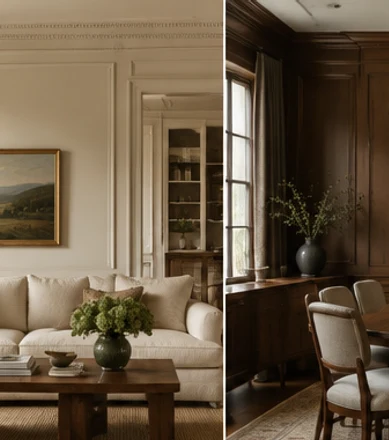
Neo Deco takes the geometry, richness, and glamour associated with Art Deco and pares them back for contemporary homes. Instead of filling a room with mirrored furniture, high-shine brass, bold fan motifs, and saturated jewel tones all at once, the newer interpretation uses a few Deco references against quieter materials and more comfortable furniture.
That restraint is what makes the style useful. A curved velvet chair can sit in an otherwise simple living room. A stepped mantel can introduce architectural geometry without changing every doorway. Walnut, black lacquer, aged metal, opal glass, fluting, and marble can appear in small doses while linen, wool, plaster, and matte paint keep the room grounded.
Architectural Digest has described Neo Deco as a defining 2026 trend, emphasizing a more livable evolution of classic Deco through walnut, velvet, marble, brass, lacquer, sculptural forms, and rich color. Homes & Gardens’ 2026 lighting forecast similarly notes a Neo-Deco return to geometry and luxurious materials with less excess. The ideas below focus on how to use that vocabulary without turning your home into a period set.
If you prefer a quieter foundation, our warm minimalist decor ideas can help you build the neutral base. If you like more layered rooms, our cozy luxury decor ideas offers another route to richness without formality.
1. Use Dark Wood and Geometric Metal as the Foundation
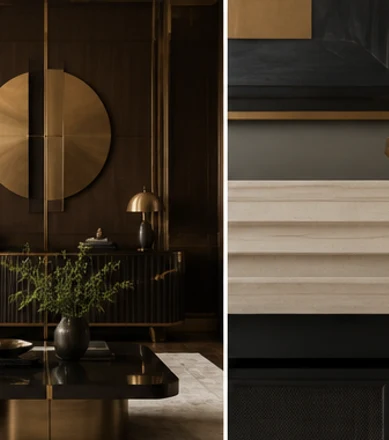
Dark wood is one of the easiest ways to introduce Neo Deco because it creates depth before any decorative motif is added. Walnut, mahogany-toned finishes, smoked oak, and deep brown stains can anchor a room and provide a natural partner for brass, bronze, nickel, chrome, or blackened metal.
You do not need an entire dark wood suite. One cabinet, coffee table, sideboard, or pair of side tables can provide enough weight. The rest of the room can stay lighter through cream upholstery, warm white walls, a pale rug, or linen curtains.
Metal should feel structural rather than sprinkled everywhere. A geometric lamp, slim table base, cabinet pull, mirror frame, or picture light can introduce the Deco line. Repeating the metal in two or three places creates continuity without turning the finish into a theme.
Classic Art Deco often used strong symmetry, but a contemporary room can be more relaxed. One dark sideboard with a centered mirror may provide a formal note while the seating remains asymmetrical and comfortable. The contrast between order and looseness makes the style feel current.
Keep the wood grain visible when possible. Natural variation softens geometric metal and prevents the room from feeling too polished. High-gloss surfaces can appear selectively, but matte and satin finishes usually make the room easier to live with.
Lighting is important because dark wood can lose detail at night. A table lamp or wall light should reveal the grain rather than leaving the piece as a black silhouette.
2. Borrow the Stepped Geometry Without Copying Period Details Literally

Stepped forms, strong verticals, radiating lines, and layered rectangles are recognizable Deco devices. In Neo Deco, they work best when they appear as one architectural or furniture detail rather than a repeated motif across the entire room.
A stepped mantel, layered mirror frame, cabinet profile, headboard edge, or rug border can provide the reference. Keep surrounding surfaces quieter so the geometry feels intentional rather than decorative noise.
If your home already has traditional molding, do not strip it out merely to create a more Deco look. Deco-inspired geometry can coexist with older trim when the proportions are compatible. A modern stepped mirror above a classic fireplace, for example, can create productive tension.
Paint can emphasize the form. A stepped wall detail painted the same color as the wall creates subtle shadow and depth. A contrasting finish makes the reference stronger. Choose the level of emphasis that suits the room.
Avoid literal repetition. If the mantel is strongly stepped, you may not need a fan-pattern rug, sunburst mirror, geometric wallpaper, and stepped lamps too. One clear reference is more sophisticated than a catalog of historical symbols.
In a small room, let geometry come from furniture edges rather than adding architectural bulk. A tiered side table or framed mirror can deliver the idea without reducing floor space.
3. Bring in Curved Velvet Seating for Softness

Art Deco is often associated with strong geometry, but curves were equally important. Rounded club chairs, scalloped backs, cylindrical forms, and sweeping upholstery can soften hard edges. In a modern room, one curved chair or sofa may be enough to create the effect.
Velvet is an obvious partner because it reflects light differently depending on direction and creates a sense of depth even in solid color. Deep green, burgundy, aubergine, rust, navy, chocolate, or cream can all work. The color does not need to be jewel-toned if the material already provides richness.
Comfort should lead. Some sculptural chairs have shallow seats or firm backs that look better than they feel. Sit in the piece before buying if possible, especially if it will become everyday seating.
Balance a curved chair with simpler furniture. A straight-lined sofa, plain wool rug, and clean wood table can make the curve more visible. If every piece is rounded, the room may lose hierarchy.
Use velvet where maintenance suits the household. Performance velvet can offer a different level of durability than delicate upholstery, but every fabric has care requirements. If pets, children, or frequent entertaining are part of the room, choose the material accordingly.
A curved piece can also improve circulation because rounded corners are easier to move around than sharp ones in tight seating arrangements. That practical benefit is especially useful in smaller living rooms.
4. Use Black Lacquer or High Gloss in One Controlled Area

Gloss is one of the materials that can make Neo Deco feel distinct from softer traditional or minimalist styles. Black lacquer, polished stone, glossy tile, mirrored glass, or high-shine metal can create a sharper, more glamorous note. The key is concentration.
Use one glossy cabinet, side table, painted door, or backsplash rather than coating every surface. Surround it with matte walls, natural wood, wool, linen, or plaster. The contrast makes the shine more visible and prevents the room from feeling cold.
Black is especially effective because it can outline lighter rooms and create a formal edge. A black lacquer console against cream plaster may be enough. If black feels too severe, deep burgundy, oxblood, navy, or chocolate gloss can create a similar richness.
High-gloss finishes show fingerprints, dust, and surface imperfections more readily than matte finishes. Place them where maintenance is realistic. A lacquered cabinet in a low-touch corner may be easier to live with than a glossy coffee table used constantly.
Lighting can produce glare on reflective surfaces, so check the sightline. A lamp reflected in a glossy cabinet may be beautiful from one angle and distracting from another. Test the room at night.
The polished element should feel like punctuation, not the whole sentence.
5. Choose Sculptural Lighting With Clear Geometry

Lighting is one of the best places to use Neo Deco because a fixture can introduce geometry, metal, glass, and symmetry in one object. Opal globes, tiered pendants, linear brass arms, fluted glass, and repeated circles or rectangles all reference the period without requiring permanent architectural change.
Scale matters more than ornament. A well-proportioned pendant above a dining table or a pair of sconces beside a mirror can feel luxurious even when the design is simple. An undersized fixture can make the room look unfinished, while an oversized chandelier can overwhelm the furniture.
Use the fixture as the primary decorative gesture. If the pendant is complex, keep the table and surrounding art simpler. If the ceiling light is restrained, table lamps can carry more character.
Mixed metals can work. Brass may lead, while chrome or nickel appears in smaller accents. Blackened metal can provide structure around warmer finishes. Do not feel obligated to match every metal exactly.
Glass softens the geometry. Opal, smoked, ribbed, or frosted glass can create a diffused glow that makes a formal shape feel more comfortable. Exposed bulbs often look harsher and can shift the room toward industrial rather than Deco.
As with any lighting, function matters. The fixture should provide useful light or work within a layered lighting plan, not exist only as sculpture.
6. Translate Neo Deco Into the Bedroom With Tailored Textiles

The bedroom is a good place for a quieter version of Neo Deco because comfort should remain the priority. Use one geometric or curved headboard, a pair of sculptural lamps, dark wood bedside tables, and tailored bedding rather than filling the room with reflective finishes.
Symmetry works naturally around the bed. Matching or related lights can create a formal frame, while the bedding remains relaxed. The combination of structured lighting and soft textiles captures the tension between Deco order and modern comfort.
Use rich color in controlled areas. A burgundy headboard, deep green throw, or navy wall can provide drama while the sheets and curtains stay lighter. If the room is small, a deep headboard against a pale wall may be enough.
Trim and piping can introduce geometry without pattern. A contrast border on curtains, a framed edge on a cushion, or a simple stripe on bedding can echo Deco lines more subtly than a bold motif.
Metal should remain secondary in a bedroom. A pair of brass sconces or nickel handles may be sufficient. Too much reflective material can make the room feel less restful.
Keep the floor comfortable and quiet. A wool rug with a simple border or low-contrast geometric pattern can connect the furniture without turning the room into a themed interior.
What Is the Difference Between Art Deco and Neo Deco?
Art Deco is a historical design movement associated with the 1920s and 1930s, though its influence continued beyond that period. It is known for geometric motifs, luxurious materials, symmetry, bold color, polished surfaces, and a fascination with modernity.
Neo Deco is a contemporary interpretation. It borrows parts of that language but combines them with today’s comfort, materials, and looser interiors. A Neo Deco room may use walnut and brass, but pair them with linen curtains and a relaxed sofa. It may use a curved velvet chair, but not matching velvet seating throughout the room.
The difference is not a strict academic category. Neo Deco is a useful modern label for rooms that reference Deco without attempting historical reproduction.
How to Choose a Neo Deco Color Palette
Start with one dark or saturated color and one light counterpoint. Chocolate and cream, burgundy and warm white, olive and stone, navy and ivory, or black and parchment can all work.
Add metal as a small accent rather than a third major color. Brass brings warmth, nickel and chrome add a cooler shine, and blackened metal emphasizes geometry.
If the room already has strong wood or stone, let those materials carry much of the palette. Neo Deco does not require jewel tones when material contrast provides enough depth.
How to Use Pattern Without Making the Room Feel Themed
Use geometric pattern once at a meaningful scale: rug, curtain, wallpaper panel, cushion, or upholstery. Then repeat only the colors, not the motif, elsewhere.
Stripes, stepped borders, arcs, fans, and linear grids can all suggest Deco. Choose the one that suits the architecture and avoid combining several obvious motifs in the same small room.
Natural grain, veined stone, and fluted surfaces also function as pattern. Count them when deciding how much visual activity the room can support.
Neo Deco in a Small Space
Small rooms benefit from concentrated references. Use one dark wood piece, one sculptural light, and one curved chair rather than adding Deco detail to every surface.
Mirror can expand light, but do not cover multiple walls with reflective material. One mirror with a geometric frame can provide the effect without creating visual confusion.
Keep the circulation clear. Glamour does not require more furniture.
Neo Deco for Renters
Use lamps, mirrors, rugs, cushions, side tables, and artwork. These elements can carry geometry, lacquer, metal, and rich color without permanent construction.
A removable curtain with a contrast border or a deep-colored freestanding cabinet can introduce the style without paint. Focus on pieces you can take to the next home.
How to Mix Neo Deco With Modern Furniture
Modern furniture gives Neo Deco breathing room. A plain sofa beside a fluted sideboard, simple dining table under a geometric pendant, or clean bed with a curved velvet headboard creates contrast.
Do not replace good modern pieces merely to make the room more stylistically consistent. The mixture is what keeps the look contemporary.
How to Mix Neo Deco With Traditional Architecture
Traditional molding, fireplaces, paneling, and older floors can work beautifully with Deco-inspired lighting and furniture. Keep the historical architecture intact and introduce the newer layer through movable pieces.
A stepped mirror above a classical mantel or a sculptural pendant in a paneled room can create more interest than trying to force the architecture into a Deco vocabulary.
Materials That Work Well in Neo Deco
Walnut, dark oak, marble, travertine, velvet, lacquer, brass, nickel, chrome, opal glass, smoked glass, wool, and plaster can all belong. Use several, not all.
Balance reflective and matte surfaces. If the table is glossy and the light is polished metal, keep the rug, curtains, and wall finish quieter.
Common Neo Deco Mistakes
The first is using too many obvious motifs. The second is confusing glamour with shine and adding reflective surfaces everywhere. The third is buying uncomfortable sculptural furniture simply because it looks dramatic.
Another mistake is making every object vintage-inspired. A room needs contemporary pieces and ordinary functional objects to remain livable.
Finally, avoid treating black and brass as a complete style. Neo Deco is about proportion, geometry, material richness, and controlled contrast, not one color combination.
Frequently Asked Questions
Is Neo Deco the same as Art Deco?
No. Neo Deco is a contemporary interpretation that borrows Art Deco geometry, materials, and glamour while using more relaxed furniture, quieter finishes, and modern layouts.
What colors work for Neo Deco?
Chocolate, black, burgundy, olive, navy, aubergine, cream, parchment, and warm white can all work. The palette does not have to be dark if the materials provide enough contrast.
Do I need brass for a Deco-inspired room?
No. Brass is common, but nickel, chrome, bronze, and blackened metal can create equally convincing results.
Can Neo Deco work in a small apartment?
Yes. Use fewer references at a stronger scale: one sculptural light, one dark wood piece, one curved chair, and one geometric textile may be enough.
How do I keep Neo Deco from looking dated?
Avoid copying a historical room literally. Mix Deco references with simple modern furniture, natural materials, comfortable textiles, and the architecture you already have.
What is the easiest Neo Deco update?
Lighting is one of the easiest because one pendant, pair of sconces, or table lamp can introduce geometry, glass, and metal without changing the room permanently.
A One-Room Neo Deco Formula
Choose one dark wood anchor, one sculptural light, one curved or upholstered piece, and one polished accent. Keep the walls, rug, and remaining upholstery relatively quiet. Add art that suits your taste rather than searching for “Art Deco art” simply to complete the theme.
How to Use Neo Deco in a Dining Room
A dining room is a natural place for Neo Deco because the room already has a central composition: table, chairs, light, and perhaps a sideboard. You do not need to add many decorative pieces. One sculptural pendant over the table, a dark wood cabinet, and a slightly more formal chair silhouette can create the entire direction.
Keep the table practical. A high-gloss surface may look striking but can show scratches and fingerprints if the table is used every day. Dark wood with a satin finish often provides enough depth while remaining easier to live with. If the table is simple, the lighting can carry more of the Deco reference.
Chair upholstery is another opportunity. Velvet, mohair-like textures, a subtle stripe, or a deep solid can introduce richness without needing patterned wallpaper. Curved backs or channel details can suggest the period while remaining comfortable.
Sideboards work particularly well because their broad fronts can carry fluting, stepped doors, lacquer, or metal hardware. Keep the top edited so the furniture itself remains visible. One lamp, one artwork, and one useful tray or bowl may be enough.
How to Use Neo Deco in a Bathroom
Bathrooms can handle a stronger Deco reference because they are smaller and already contain polished materials. A geometric mirror, fluted vanity, opal sconces, marble, or a black-and-cream palette can create a clear mood without requiring a large amount of furniture.
Prioritize lighting and wet-area suitability. Decorative sconces and pendants must be appropriate for their locations and installed according to local electrical requirements. A beautiful fixture does not justify unsafe placement near a shower or tub.
Use glossy surfaces where cleaning is practical. A polished stone backsplash, lacquered vanity, or glazed tile can provide shine, while matte wall paint and towels keep the room from becoming too reflective.
For a softer result, use walnut or warm oak with nickel and opal glass instead of black and gold. The Deco language comes from geometry and proportion as much as from color.
How to Use Neo Deco in a Home Office
A home office can use Neo Deco through one strong desk, a sculptural lamp, and a dark storage piece. Keep the working surface uncluttered and make sure the chair remains ergonomic enough for the time you spend there.
Glossy lacquer, glass, and metal can look sophisticated, but they also reflect monitors and lamps. Check glare before placing a polished desk opposite a window or strong light source.
A geometric rug can define the work zone, while a calmer wall color prevents visual fatigue. Books, framed art, and ordinary office tools help the room feel personal rather than staged.
How to Layer Metals Without Making the Room Look Overdone
Classic Deco often embraced metal strongly, but a contemporary room benefits from a hierarchy. Choose one dominant finish for the largest repeated pieces and one secondary finish for contrast. Brass and nickel can coexist. Chrome can sharpen warm wood. Blackened metal can outline softer forms.
Repeat each finish at least twice when practical. A nickel lamp can connect to a small frame or cabinet pull. Brass sconces can relate to a table base. The repetition does not need to be exact; it simply helps the mix look deliberate.
Do not add metallic objects solely to increase glamour. A room with metal on every surface can feel cold despite the expensive materials. Let wood, textiles, plaster, and paper absorb some of the visual shine.
How to Use Marble and Stone Without Turning the Room Formal
Stone adds weight and natural pattern. A marble-topped side table, travertine console, stone fireplace surround, or small pedestal can provide luxury without demanding a traditional setting.
Use honed or softly finished stone when you want a quieter result. Highly polished stone creates more reflection and formality. Neither is inherently better; the surrounding furniture should determine the balance.
Real stone requires maintenance appropriate to the material. Some surfaces can etch, stain, or require sealing. If that level of care does not suit your household, engineered alternatives may provide a similar visual effect with different maintenance demands.
How to Use Mirrors Without Making Neo Deco Feel Like a Theme
Mirrors are strongly associated with Deco interiors, but one carefully chosen piece is often enough. A stepped, arched, beveled, or geometric frame can create the reference without covering furniture in mirrored panels.
Place the mirror where it reflects something useful or attractive: daylight, art, a light fixture, or the depth of the room. Avoid reflecting clutter, television screens, or a busy doorway if those views will become distracting.
In small rooms, a mirror can improve visual depth, but the frame should not become overly ornate if the room already contains strong geometry.
How to Choose Art for a Neo Deco Room
You do not need period posters or Deco reproductions. Contemporary abstract art, photography, bold line work, portraits, or pieces with strong color can sit comfortably inside a Neo Deco room. Art is one of the best ways to prevent the style from becoming historically literal.
Use frame choice to connect the work to the room. Dark wood, slim black, nickel, brass, or a wide cream mat can relate to the furniture without changing the art itself.
One large artwork often works better than a wall full of small decorative pieces when the room already contains geometric furniture and lighting.
How to Mix Vintage Deco With New Furniture
An authentic vintage Deco piece can add depth because it carries real age and craftsmanship, but it does not need vintage companions. One old side table, lamp, mirror, or cabinet can sit beside a new sofa or bed and still feel coherent.
Check condition and function. Old wiring should be assessed before using a vintage lamp. Upholstery may need replacement. Veneer can lift, lacquer can crack, and hardware may be fragile. Repairing a useful piece often creates more character than buying several new objects designed to imitate age.
Use the vintage piece as the strongest historical reference and let the rest of the room remain contemporary.
How to Make Neo Deco Feel Softer in a Family Home
Choose rounded corners, durable upholstery, washable or performance fabrics, and matte finishes on the pieces that receive the most use. Keep the polished materials on lamps, mirrors, hardware, or cabinets that are touched less frequently.
A deep velvet-like sofa can be practical when the fabric is chosen for durability, but delicate silk, fragile lacquer, or sharp-edged glass may be better reserved for lower-traffic spaces. Style should adapt to the household rather than asking the household to adapt to the style.
Use rugs, curtains, and upholstered pieces to soften the strong lines. A home can feel glamorous and still be comfortable enough for ordinary evenings.
How to Build a Neo Deco Room on a Budget
Start with lighting because one fixture can change the room substantially. Then add a dark wood or painted side table, a geometric mirror, and one rich textile. You do not need marble, brass, and velvet in every category.
Secondhand shops are useful for older glass, wood furniture, mirrors, and lamps. Search by shape and material rather than by the phrase “Art Deco,” which can raise prices and narrow results.
Paint can create depth inexpensively. A deep brown, olive, burgundy, or inky blue on one wall or cabinet can provide the darker foundation that makes a simple brass lamp or curved chair feel more Deco.
A Neo Deco Editing Checklist
Stand at the doorway and count the obvious Deco references. If you can immediately name six or seven motifs, the room may be trying too hard. Reduce until the references feel integrated into the overall interior rather than displayed as a collection.
Check the ratio of shiny to matte surfaces. If lacquer, metal, glass, mirror, and polished stone all dominate, add wool, linen, wood grain, or matte paint. If the room feels too flat, one reflective surface may be enough to sharpen it.
Finally, use the furniture. Sit in the chair, open the cabinet, turn on the lamp, and live with the room at night. Neo Deco should still support normal routines after the visual excitement wears off.
Final Thought
Neo Deco works best when it feels like a conversation with Art Deco rather than a reconstruction of it. Use the geometry, dark wood, velvet, lacquer, sculptural lighting, and polished metal that appeal to you, then balance them with matte walls, natural textiles, and genuinely comfortable furniture. A few strong references can give a contemporary room depth and glamour without making it feel theatrical.
Other Articles

Collected Interior Style: How to Mix Old, New, Personal, and Practical
Room Divider Ideas for Small Spaces Without Blocking the Light