

Kitchen decoration works best when it makes the room easier to enjoy without making dinner harder to prepare. A beautiful counter that has to be cleared before every meal is not truly finished. The same is true of a shelf filled with objects you never use or a towel displayed where cooking heat can reach it.
The most useful kitchen decor ideas begin with the working areas. Protect the preparation surface, keep the sink straightforward to clean, and give daily objects a consistent home. Then add color, texture, and personal details in places that do not compete with those functions.
You can apply this approach without changing cabinetry or undertaking a renovation. A calmer arrangement of what you already own, a more practical textile, or one well-placed artwork can make the kitchen feel considered. This guide covers six areas to address, followed by a simple method for deciding which purchases are actually worth making.
Explore the six kitchen zones
1. Reserve a Counter for Preparation Before Adding Decor
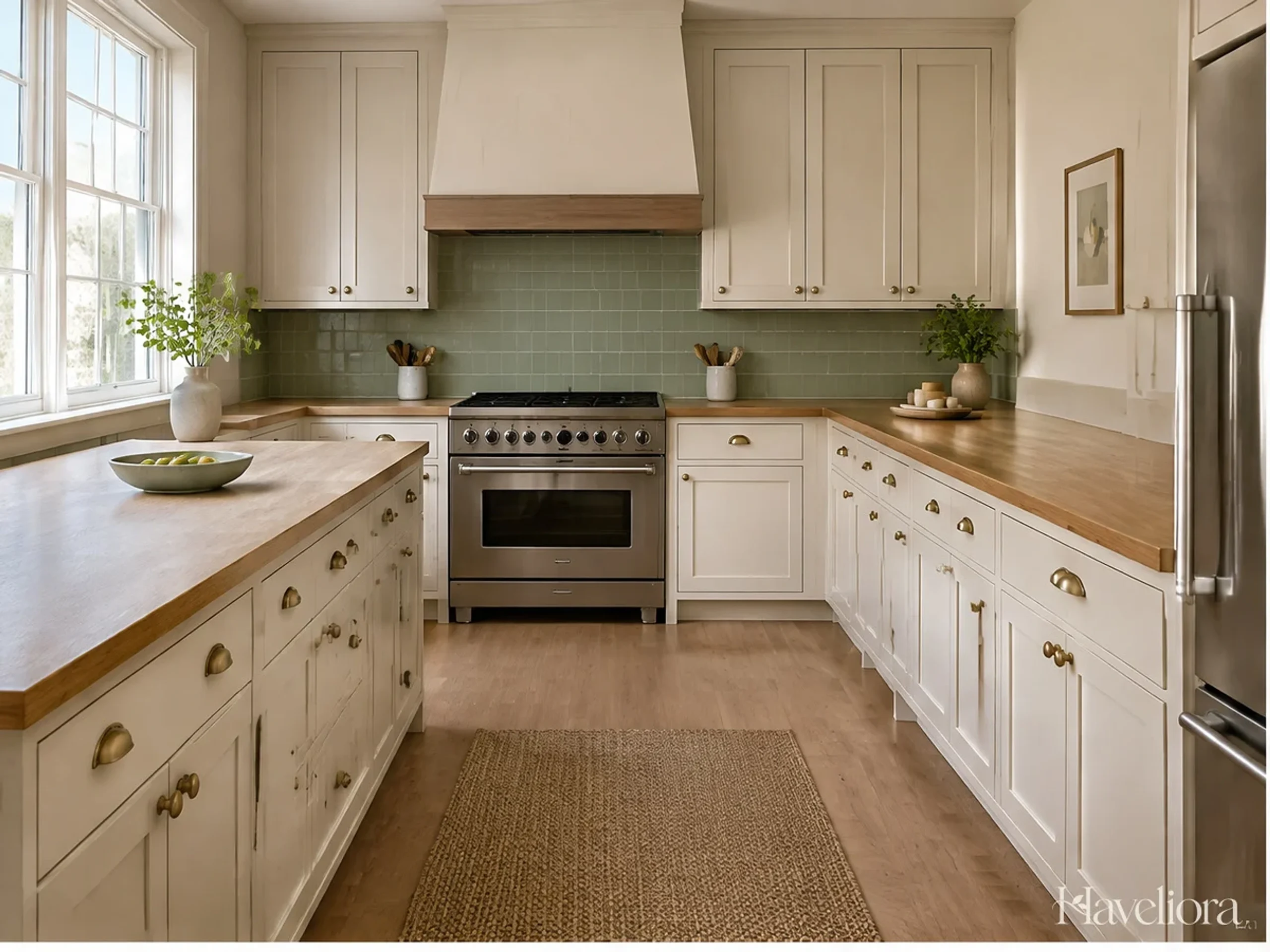
Identify the counter where you naturally chop, assemble, or unload groceries. Keep that area available. Place decorative objects elsewhere rather than spreading them evenly along every run of cabinetry. An intentionally clear surface can make the kitchen feel more organized than several carefully styled clusters.
Choose which appliances deserve permanent counter space by frequency of use. An everyday kettle or coffee machine may belong outside; an occasionally used appliance may be better stored accessibly. Do not put heavy equipment somewhere awkward merely to create an empty-looking photograph.
Group the objects that remain by function. A coffee area can contain the machine and a small number of daily supplies, while preparation tools stay close to their task. Avoid combining unrelated objects in a decorative tray just to make the group appear intentional.
Keep combustible decoration away from the cooking area. The U.S. Fire Administration advises keeping items that can catch fire away from the stovetop. Follow the appliance’s clearances rather than copying a photograph with boards, books, or towels beside a burner.
Test the arrangement: prepare one ordinary meal with the counter arranged as you propose. Anything you repeatedly move needs a different location.
2. Make the Sink Area Easy to Clean and Reset

The sink area is an everyday working zone, so decoration should not interfere with cleaning. Begin with the products and tools you actually use. A small washable tray can organize them, but it should fit the available ledge without blocking the faucet, handles, or draining area.
Choose containers for practicality first. A dispenser needs to be easy to refill and operate with wet hands. A brush holder should suit the brush rather than leaving it wedged at an angle. Keep cleaning products in suitable labeled containers and follow their storage instructions.
Give the drying equipment a planned position. A rack that folds or stores easily may suit a compact kitchen, but it should still accommodate your normal washing-up. Hiding it in another room whenever you want the kitchen to look neat does not solve the daily layout.
Keep porous or delicate decorative objects away from repeated splashing. A ceramic item intended for display may not be suitable for constant moisture. Check care guidance and protect the surface beneath a tray rather than allowing water to collect unnoticed.
For a simple visual connection, repeat one color from the cabinets or nearby textile through the dispenser or tray. That small connection is enough; the sink does not need a separate decorative theme.
3. Let Everyday Crockery Do Some of the Decorating
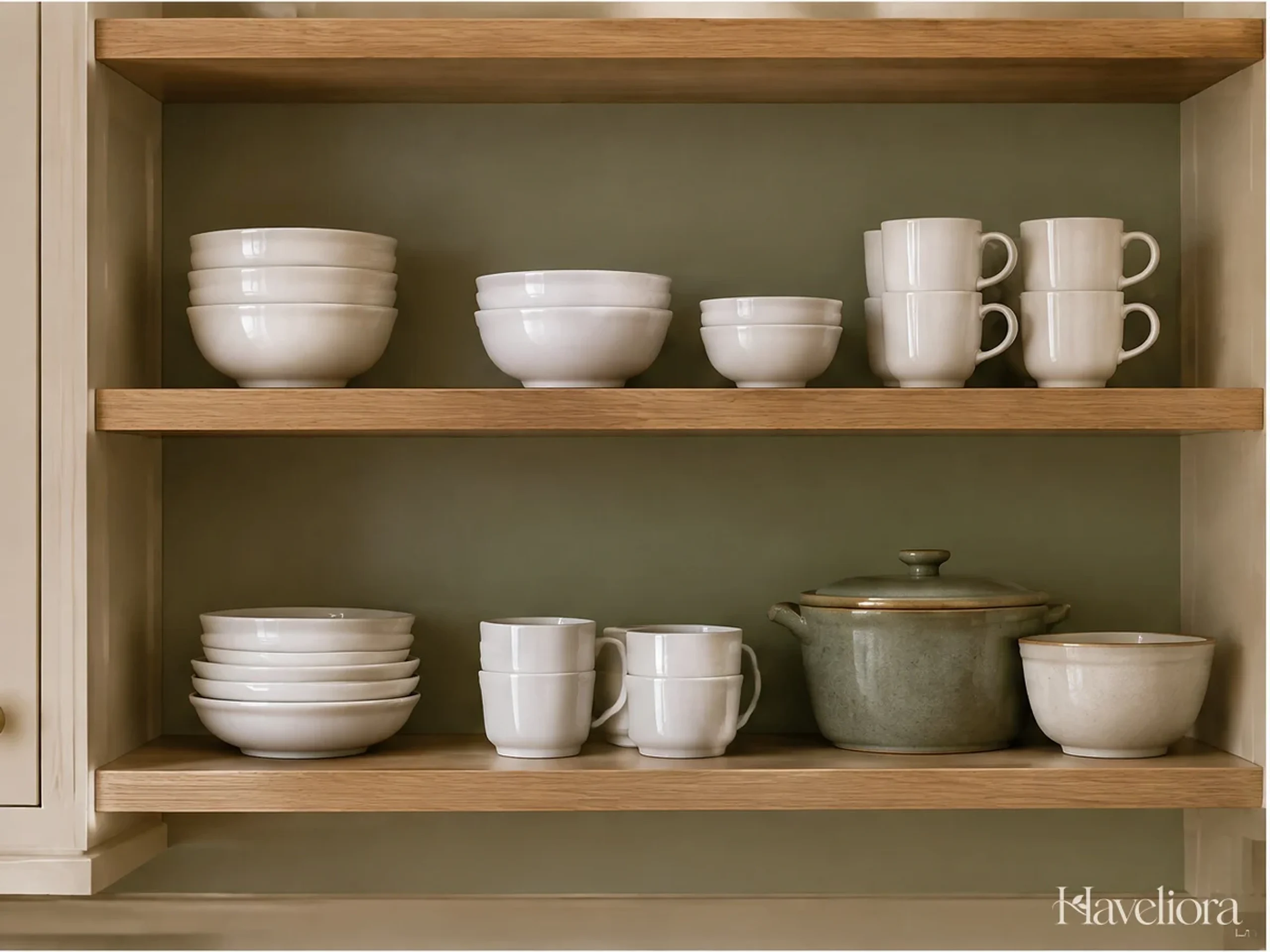
Open shelving can introduce texture and shape, but it works best as a deliberate selection. A short stack of bowls, a few mugs, and one serving piece may provide enough variety. Leave some space around the groups so the shelf remains easy to read and use.
Choose objects you reach for regularly and can clean conveniently. A shelf filled only with rarely used pieces may become another maintenance task. Keep heavier objects where they can be handled safely, and do not overload the shelf to imitate a densely styled image.
Check the shelf’s fixing method and load rating before arranging it. The visible board is only part of the installation; the wall and hardware matter too. Get suitable installation advice when you do not know the wall construction or the weight the system can carry.
Locate display shelves away from heat and heavy splashing where possible. Consider how cooking residue and everyday cleaning will affect the contents. Closed storage remains a sensible choice for most kitchen equipment, even when you enjoy the appearance of one open display area.
When arranging the shelf, group similar pieces by shape or use, then add one contrasting form. A round jug beside stacked bowls can create interest without requiring additional decorative objects.
4. Use the Dining Corner for Softness and Color

A breakfast table or dining ledge is often a better place for soft decorative details than the cooking counter. A washable runner, a low bowl, or comfortable seat fabric can introduce color without taking away preparation space.
Keep the arrangement easy to remove for meals. A centerpiece should not require dismantling several separate objects every time you set the table. One low grouping is usually more practical than tall branches that block conversation or a collection spread across the whole surface.
Choose textiles around cleaning and use. Read the care instructions and consider whether a runner will shift when people sit down. If the table is used frequently for homework or food preparation as well as dining, a simpler bare surface with removable placemats may work better.
Connect the dining corner to the cabinetry through a repeated finish or color. Wood chairs can echo a shelf, while a muted green napkin may relate to a small accent elsewhere. Avoid introducing an entirely unrelated palette in a kitchen that is already visually busy.
Before you settle on the arrangement, pull every chair out and open the nearby appliance doors. Decoration and seating should not make access awkward. For a tighter footprint, see our small dining area ideas.
5. Coordinate the Small Details Without Replacing Them All
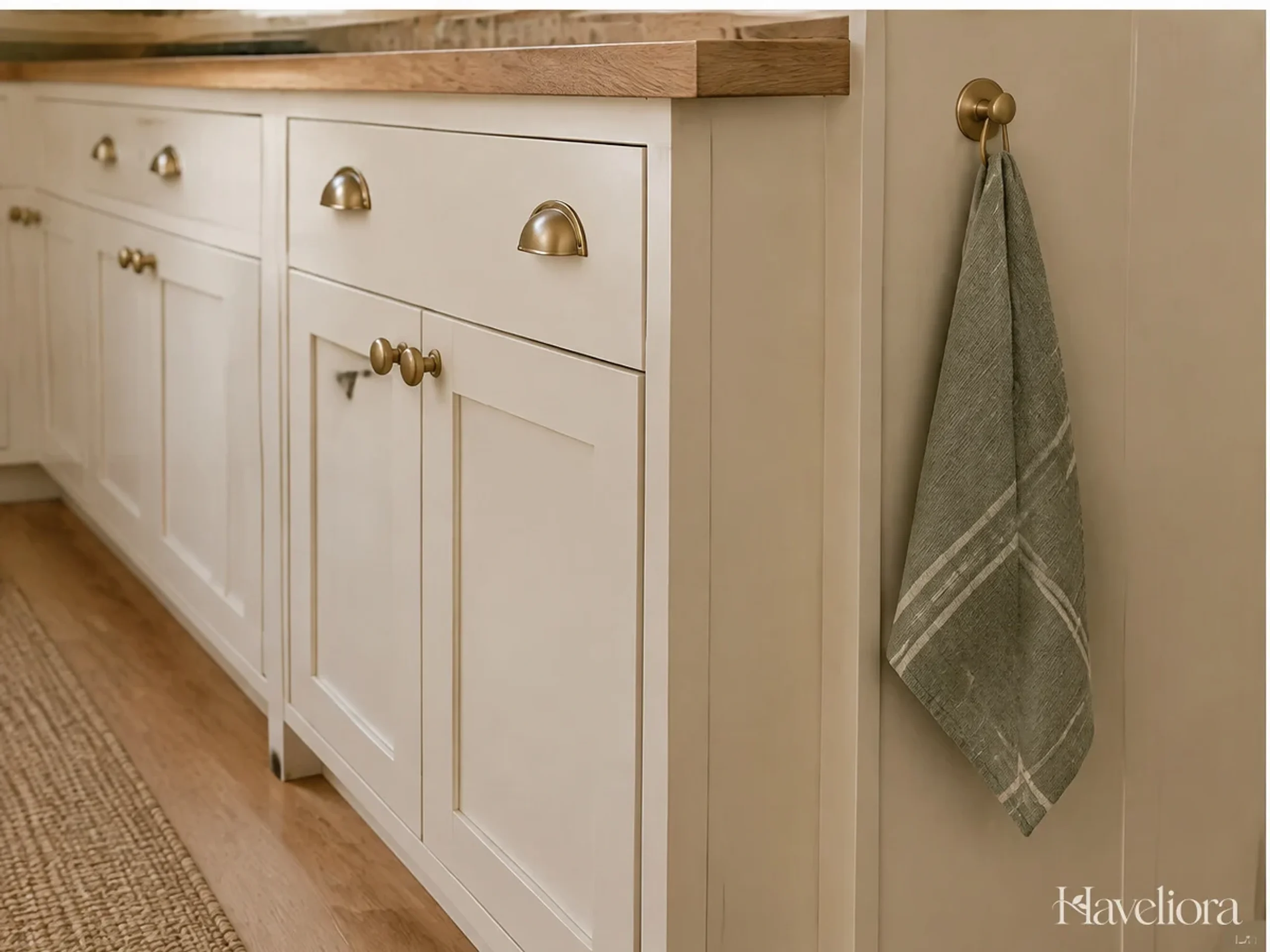
Handles, hooks, towels, and small containers can make a kitchen feel more coherent. Start by identifying the finish already repeated most often. You may need only one or two adjustments rather than replacing every metal piece.
Mixing finishes can be deliberate. A brushed metal tap does not force every handle and lamp to match exactly. Repeat a second finish in a limited way and keep the surrounding colors simple. The goal is a relationship you enjoy, not a rigid rule about matching.
When changing handles, check hole spacing, screw length, door thickness, and whether the new shape is comfortable to grip. A decorative pull that catches clothing or makes a drawer harder to open is not an improvement. Keep existing hardware when it works and contributes to the room.
Towels provide an easy color change, but their location should support use and safety. Hang them where they can dry and remain clear of burners and other heat sources. Avoid decorative draping that puts fabric where it could be caught or heated.
For an inexpensive test, choose one textile in a color already present in the room. See whether that repeat improves the overall view before buying additional accessories.
6. Add One Personal Detail in a Dry, Low-Risk Area
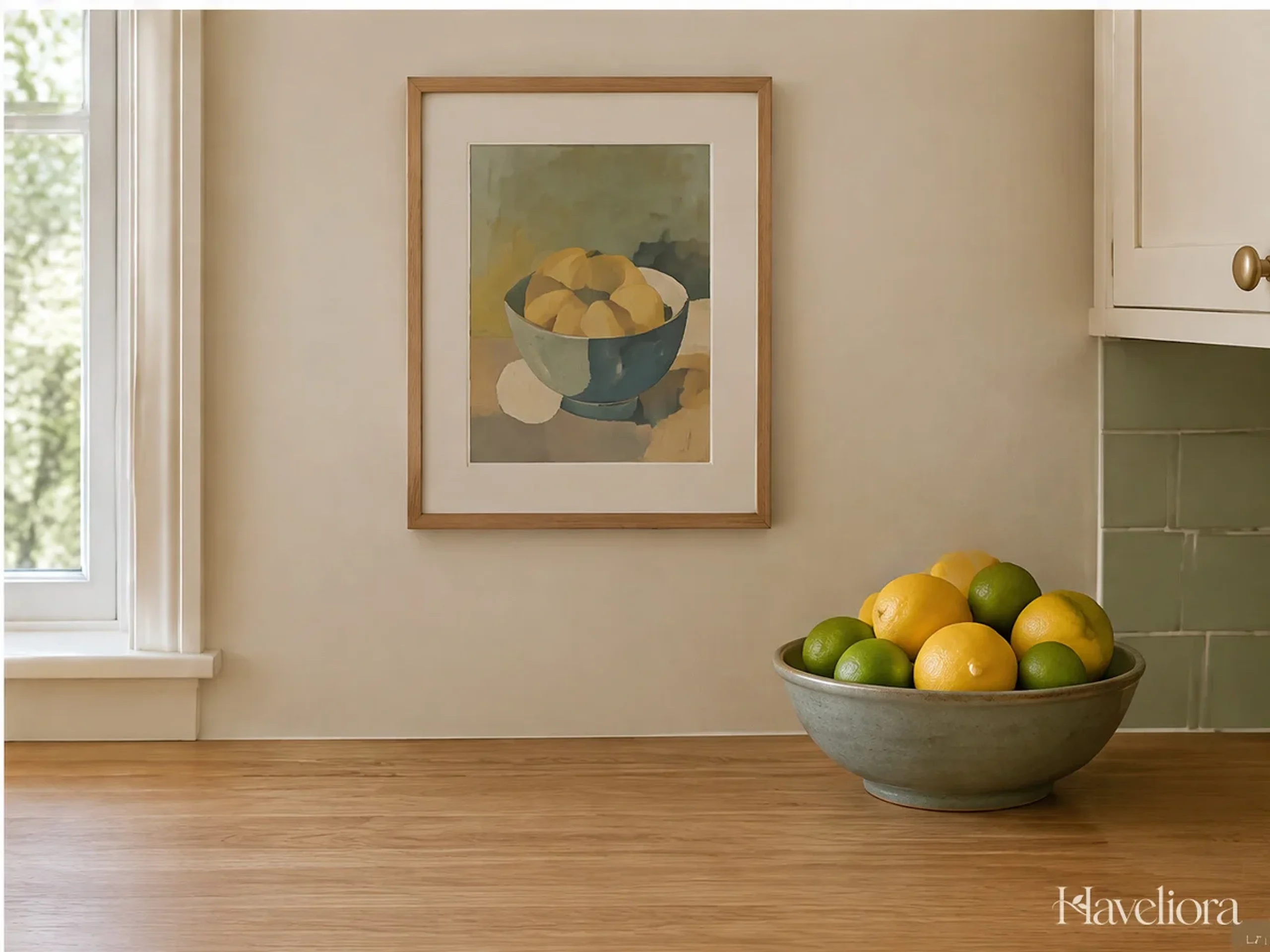
A kitchen can be practical and still feel personal. A framed print, a handmade serving bowl, or a favorite cookbook displayed away from cooking heat can give the room character. Choose something you genuinely enjoy rather than an object that merely fills a gap.
Place artwork where it is not exposed to repeated splashing or grease. Consider the frame and surface materials, and follow appropriate mounting instructions. A small dry wall near the dining area may be more suitable than the space immediately behind a hob.
Let useful objects participate. A bowl that holds fruit you regularly eat can contribute color and shape without adding an unrelated accessory. Keep the arrangement easy to clean and edit it when the contents change.
Do not force plants into an unsuitable position. Check the species’ light and care needs, protect surfaces from drainage, and consider household pets. An attractive empty vase or botanical print may be more appropriate than a plant struggling beside an appliance.
For a final edit, remove the decorative item that you move most often. If the kitchen feels better without it, the space was probably asking to remain useful rather than decorated.
A Kitchen Styling Plan That Starts With What You Own
Clear one counter and sort the removed objects by use. Return daily equipment first, then decide which occasional items deserve accessible cupboard space. Keep a practical preparation zone clear before considering display.
Next, review the sink and dining area. Choose one washable organizing piece or one textile only if it addresses a specific need. Then look at the overall color relationships from the doorway. A repeated tone may connect the room more effectively than several new purchases.
Live with the arrangement through cooking, washing-up, and a normal meal. This is the real test. For additional storage planning, explore small kitchen ideas; for a cleaner-lined visual direction, see warm modern kitchen ideas.
Frequently Asked Questions
How much decoration should stay on the counter?
Enough to give the kitchen character without taking away the surface you use. Start with the equipment required for daily tasks and add one small decorative grouping in a separate area. The right amount depends on your layout and cooking habits.
Are open shelves better than upper cabinets?
Neither is universally better. Shelves can display a useful selection, while cupboards keep more equipment out of sight. Consider capacity, cleaning, reach, and installation before changing an existing kitchen for appearance alone.
Can I refresh the room without changing cabinets?
Yes. Improve the counter arrangement, coordinate a few textiles, and add one suitable personal detail. Hardware can be another option when its dimensions and function suit the existing doors. Keep changes focused rather than buying a collection of unrelated accessories.
The best kitchen decoration respects the work happening around it. Keep preparation, heat, water, and storage needs clear, then let a small number of useful and personal pieces provide the finish.
Other Articles
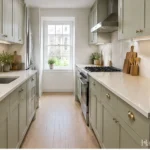
Small Kitchen Ideas That Create More Usable Space
Modern Living Room Ideas That Feel Warm, Not Stark


