“FunHaus” is Pinterest’s 2026 name for a playful interiors trend built around circus references: bold stripes, sculptural silhouettes, vintage-inspired art and a deliberate sense of theatrical surprise. Pinterest reports rising searches for “circus interior,” “vintage circus aesthetic,” “striped ceiling,” “circus nursery” and “circus art.” The useful design idea is not to turn a home into a literal big top. It is to borrow the visual devices of spectacle—scale, rhythm, unexpected curves and confident color—then balance them with furniture and materials that still feel comfortable to live with.
Pinterest’s own trend coverage recommends pairing the playful elements with more pared-back palettes, which is the difference between a room that feels witty and one that feels themed. Current search growth listed by Pinterest includes +130% for “circus interior,” +70% for “vintage circus aesthetic,” +40% for “striped ceiling,” +50% for “circus nursery” and +35% for “circus art.” See the Pinterest Predicts 2026 FunHaus coverage for the trend context.
Choose one theatrical gesture before adding anything else
The fastest way to make FunHaus feel intentional is to decide what the room’s main visual joke or surprise will be. It could be a striped ceiling, a deeply scalloped mirror, a wavy chair, a dramatic pendant or a vintage-inspired poster. Everything else should support that move rather than competing with it.
Let architecture carry the biggest pattern
A painted ceiling, powder-room wall or alcove can hold strong stripes more successfully than several small striped accessories scattered around the room. A large architectural gesture reads as deliberate; many novelty objects read as a collection of theme props.
Let furniture carry the surprise when walls stay quiet
If permanent pattern feels too committed, choose one sculptural chair or table and keep the surrounding walls relatively calm. The room can still feel playful without becoming difficult to repaint later.
Set a limit on competing gestures
Before buying secondary pieces, list the room’s three strongest visual elements. If the ceiling already has bold stripes and the chair has an unusual silhouette, the third major element might be art or lighting—but not both at maximum intensity. This simple limit keeps the room legible from the doorway and prevents the theatrical idea from dissolving into visual noise.
Smaller objects can still be expressive, but they should support one of those main gestures through color, shape or material rather than starting another unrelated theme.
Use stripes as architecture, not decoration
Stripes are central to the trend because they create rhythm and instantly reference tents, awnings and performance spaces. The scale and location determine whether the result feels graphic or childish.
Ceiling stripes
Wide bands on a ceiling can change the proportions of a small room without adding floor-level clutter. Muted cream with burgundy, forest green, brown or ochre usually feels more integrated with residential interiors than very bright primary colors. Keep the walls simpler so the ceiling remains the focal plane.
Vertical wall stripes
Vertical stripes can emphasize height in a powder room, entry or small reading nook. Use a restrained width and stop the pattern cleanly at corners, trim or a dado line so it feels architectural rather than improvised.
Striped upholstery
A single striped ottoman, bench or chair is a lower-commitment version. Avoid repeating the same stripe on curtains, cushions and lampshades unless the room intentionally embraces full maximalism.
Test stripe scale with paper before painting
The width of a stripe changes how the room feels. Narrow repeated bands can become visually busy at ceiling height, while very wide bands feel more architectural. Tape kraft paper or painter’s tape across one section of the ceiling and view it from the doorway, bed or sofa before committing to the full pattern.
In an irregular room, decide how the stripes terminate at beams, coves or sloped ceilings. A clean stopping point usually looks more intentional than forcing the pattern through every architectural change.
Borrow circus color without copying a primary-color palette
FunHaus does not require red, blue and yellow everywhere. The most adaptable version uses deeper, more complex colors: burgundy, cream, mustard, tobacco, forest green, aubergine and aged pink.
Use one saturated anchor color
A deep red chair or green-striped wall can provide the theatrical energy while warm neutrals carry the larger surfaces. This makes the playful element easier to live with after the trend cycle passes.
Let wood and stone calm the palette
Walnut, oak, marble, plaster and wool give the room material seriousness. They also stop painted pattern from feeling like a temporary event installation.

If you like a more glamorous form of geometry and contrast, Haveliora’s Neo Deco interior ideas offers a useful comparison: both styles use strong shape, but Neo Deco relies more on polished geometry while FunHaus leans into humor and unexpected curves.
Use undertones to keep unusual colors sophisticated
A burgundy with brown or blue undertones usually feels calmer than a bright candy red; mustard with ochre depth works differently from pure yellow. Sampling deeper versions of circus-associated colors can preserve the playful contrast while integrating more naturally with wood, stone and textiles already in the home.
View swatches next to the floor and largest furniture piece. If the colors fight the permanent materials, the room will feel themed even when the individual shades are fashionable.
Bring in sculptural silhouettes one piece at a time
A wavy armchair, pedestal table, bulbous lamp or scalloped shelf can introduce circus-like exaggeration without relying on literal motifs.
Prioritize comfort in seating
A chair can have an unusual profile and still support the body. Sit in it if possible, or study seat height, depth, arm position and back angle. A statement chair that is never used becomes a prop, which weakens the residential quality of the room.
Use curves against straighter architecture
A curving chair is easiest to appreciate against a plain wall or rectilinear cabinet. If every object already waves, arches or scallops, the silhouettes lose their surprise.
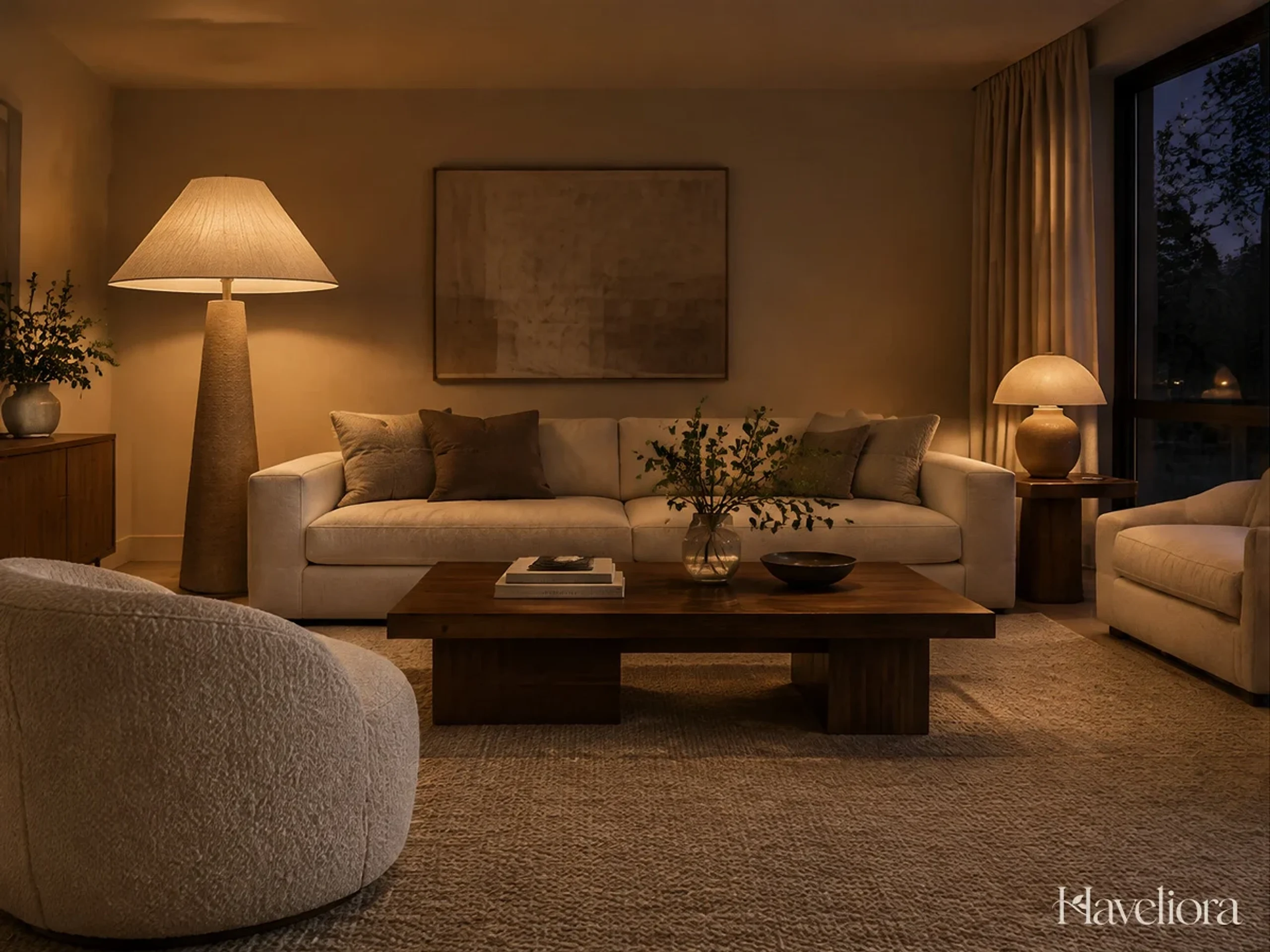
Measure sculptural furniture by its outer silhouette
Curved chairs and bulbous tables often occupy more floor than their seat or tabletop dimensions suggest. Mark the entire outer profile with tape, including arms and back curves, before buying. Then walk the route around it and check whether another seat can still be used comfortably.
A sculptural chair is most successful when people choose to sit in it. Give it a reachable side table and a proper reading light rather than treating it as a piece that must remain untouched in a corner.
Use vintage posters and circus references carefully
Old performance posters can add graphic character, but a room covered with reproductions can quickly become a themed bar or children’s venue.
Choose one strong image
A single large vintage poster or contemporary artwork with theatrical typography can hold a wall more successfully than six small prints. Give it a frame that relates to the furniture rather than choosing carnival colors automatically.
Avoid distressed “faux vintage” overload
If the artwork is a modern reproduction, it does not need to be paired with artificially aged signs, crates and distressed furniture. Real wood, old brass, linen and one genuinely vintage object create enough age contrast.
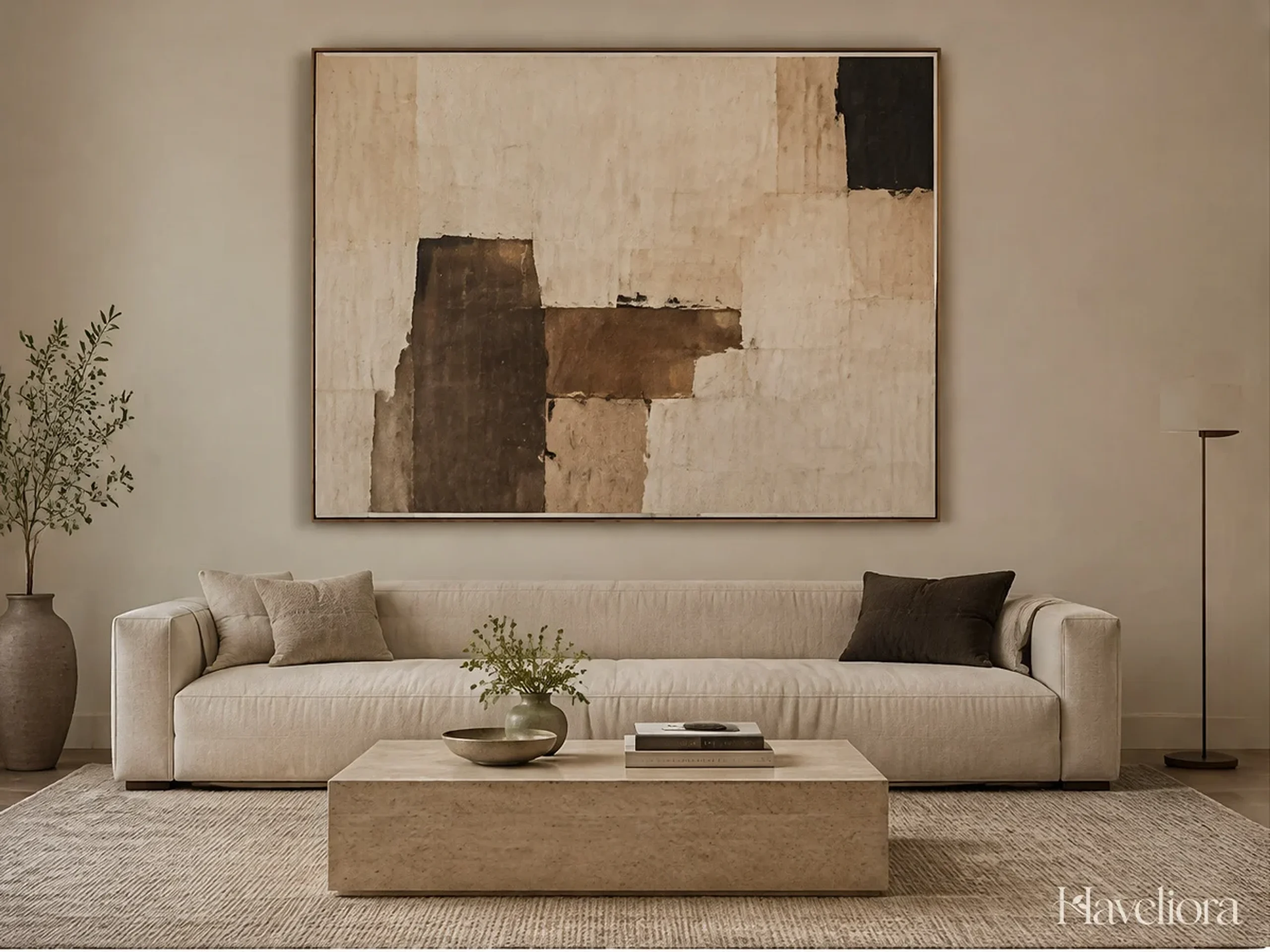
Choose reproduction art for the image, not artificial age
If you love historical circus graphics, a good-quality reproduction can be framed cleanly without faux tears, distressed typography or intentionally browned paper. The image already carries enough period reference. Pairing it with simple framing allows the rest of the room to remain contemporary.
For original vintage paper, consider preservation needs. Strong sunlight, moisture and adhesive mounting can damage old posters, so valuable pieces may need archival framing rather than casual pinning.
Keep the floor grounded
Because FunHaus draws the eye upward and toward unusual silhouettes, the floor can provide stability.
Use a calm rug under active furniture
A low-contrast wool rug, simple checkerboard, restrained stripe or natural-fiber weave can connect the seating without competing with a striped ceiling or sculptural chair.
Let patterned flooring be the main event when used
A checkerboard or geometric tile can work beautifully in an entry or powder room, but then simplify the walls and furniture. Strong pattern on every plane makes it harder to read the room’s architecture.
Good circulation is especially important around sculptural pieces because unusual forms often occupy more space than their seat or tabletop dimensions suggest.
Use the rug to define where the visual action stops
A rug can act as a boundary beneath a lively seating group. If the ceiling and furniture already have strong pattern, choose a quieter rug large enough to connect the main seats. If the floor itself carries checkerboard or stripes, keep the upholstery simpler and let the rug or tile become the lower focal plane.
Avoid layering several small rugs purely for maximalism in a narrow room. Their edges can interrupt circulation and make a playful layout feel physically cluttered.
Try the idea in a small room first
Powder rooms, hallways, reading corners and guest rooms are ideal places to experiment because a concentrated design idea can feel complete without taking over the whole home.
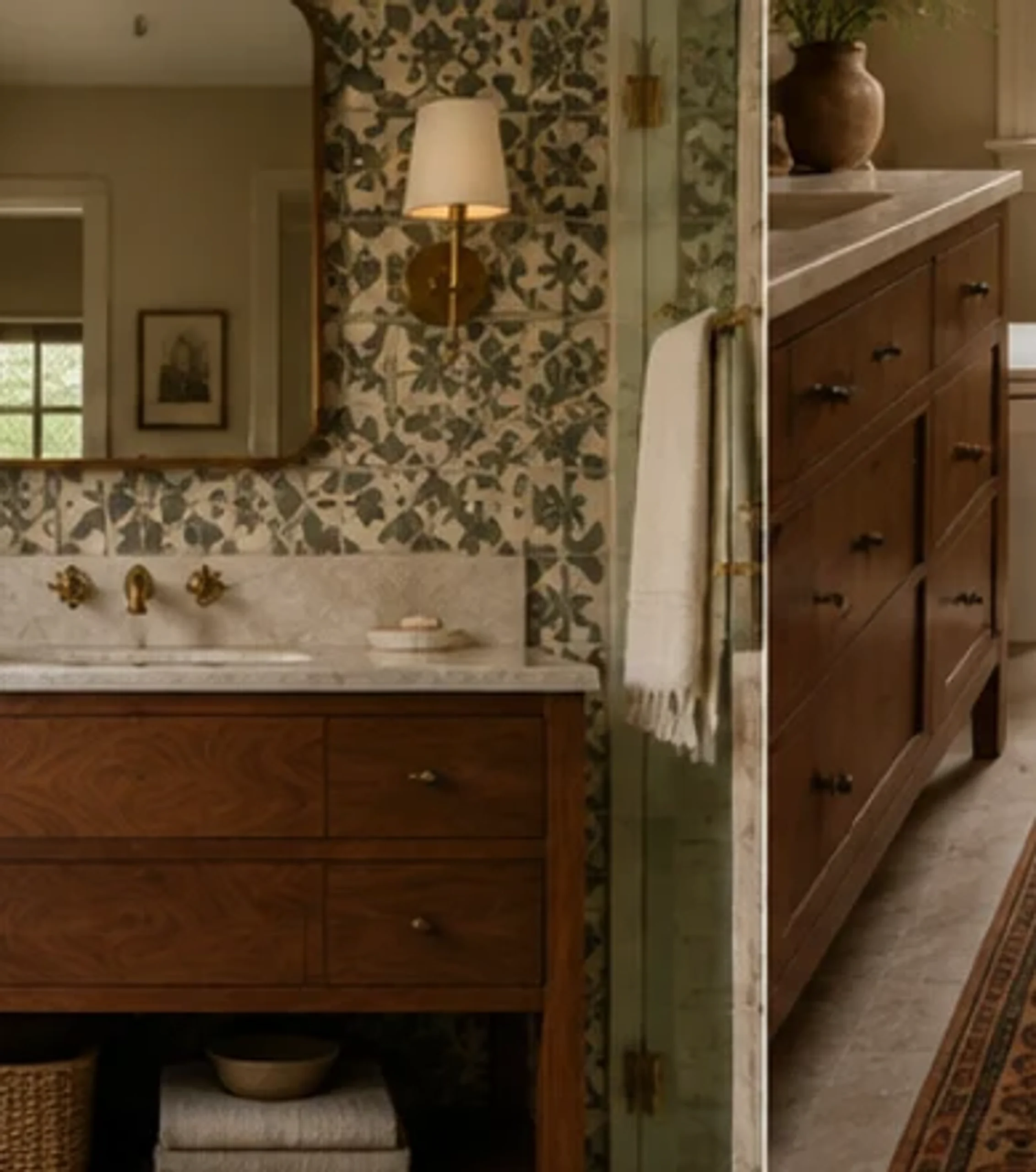
Powder room
A scalloped mirror, narrow stripe and one expressive sconce can deliver the entire idea. Keep the vanity and floor durable and straightforward so the room remains easy to clean.
Entry
A painted ceiling border, graphic runner or one curved console can create a memorable arrival. Preserve clear space for shoes, bags and walking through the door.
Reading nook
One characterful chair with a good lamp and small table is enough. The theatrical element should improve the corner’s identity without reducing its comfort.
Small rooms reward decisive editing
A powder room can support one of the boldest versions because the user experiences it for a short time and the room contains little furniture. That does not mean every surface needs treatment. A striped wall, sculptural mirror and quiet vanity can be more effective than adding a patterned floor, novelty sconces and themed accessories too.
In an entry, protect the space needed to put down a bag, open the door and remove shoes. The visual joke should never occupy the practical landing zone.
Mix playful pieces with serious materials
Material quality is one of the most effective ways to keep FunHaus from feeling disposable.
Stone and solid wood
A solid stone side table beside a wavy upholstered chair gives the composition weight. A dark wood cabinet can anchor a striped ceiling. The contrast makes the playful shape feel like a design decision rather than a novelty purchase.
Aged metal
Brass, bronze and blackened steel add depth without introducing another bright color. Use one metal finish as a recurring thread in lighting and hardware.
Natural textiles
Wool, linen and cotton help saturated colors feel more tactile and less synthetic. They also work with vintage furniture if the room mixes eras.
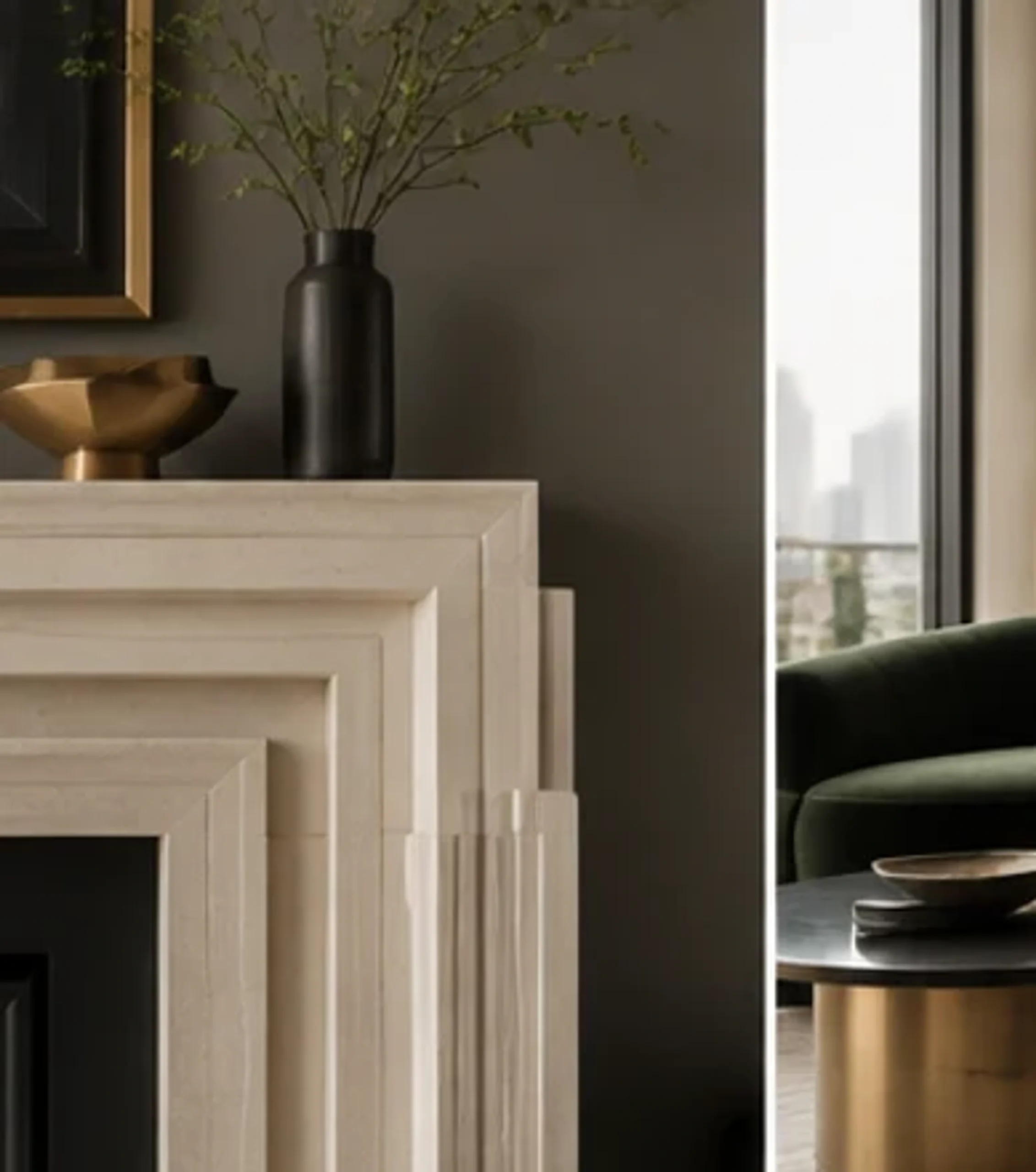
Let material quality absorb some of the drama
When a shape is highly unusual, choosing it in a familiar, substantial material can make it easier to live with. A wavy chair in wool, a scalloped table in solid wood or a bulbous lamp in ceramic has more visual staying power than the same silhouette in a glossy novelty finish.
Conversely, if the material itself is glamorous—mirrored glass, lacquer or polished brass—keep the silhouette simpler. One source of drama per object is often enough.
Use lighting to make the room theatrical after dark
A circus-inspired room does not need literal marquee bulbs. Theatricality can come from pools of light, interesting shadows and a fixture with a strong silhouette.
One sculptural pendant
A rounded or pleated pendant can reinforce the theme without adding another pattern. Keep its scale appropriate to the table or seating group beneath it.
Wall lights for rhythm
A pair of sconces can create repetition on a striped or colored wall. Avoid too many small exposed bulbs if the room already has strong visual movement.
Dimming for flexibility
Bright light reveals color and pattern; lower light makes the room feel more atmospheric. Dimmers allow the same design to work for practical use and evening mood.

Check the fixture from the seat, not only from the doorway
A sculptural pendant can look perfect in a photograph and still hang directly in a seated sightline. Sit in the main chairs before finalizing the drop height. The fixture should contribute shape without forcing people to look through a bright bulb while talking or watching television.
Use lamps to create secondary pools of light around reading chairs or artwork. This helps the room feel layered at night and prevents the strong ceiling treatment from depending on one central source.
Let humor come from surprise, not clutter
The best humorous interiors contain a moment that makes someone look twice: a chair with an unexpected outline, a mirror shaped like a cloud, an oversized stripe or a very small artwork hung in an intentionally grand frame.
Use scale shifts
An oversized lamp on a simple table can feel playful because the proportion is unexpected. Make sure the object still works physically and does not block sightlines or movement.
Use one odd pairing
A formal antique chest below contemporary circus-inspired art can create more wit than adding literal clown figures. The contrast between familiar and surprising elements is what gives the room personality.
Haveliora’s collected interior style is useful here because it shows how mismatched eras can feel deliberate when the room has practical anchors.
Repeat the joke once, not ten times
A room feels witty when the surprise is discovered rather than announced everywhere. If a tiny portrait sits in an enormous frame, let that be the joke. Repeating oversized frames, miniature furniture, clown imagery and novelty lamps around it reduces the effect because nothing remains unexpected.
This restraint also makes the room easier to update. One surprising object can move to another room or be stored; a whole suite of novelty purchases is harder to repurpose.
Design the trend differently for adult and children’s spaces
A nursery or playroom can carry more literal color and pattern than an adult living room, but it still needs safe, durable furniture and clear floor space.
Adult rooms
Use deeper colors, better materials and fewer direct references. A striped ceiling and curved chair may be enough.
Children’s rooms
Pattern can be brighter, but avoid hanging heavy objects above a crib or placing unstable novelty furniture in active play areas. Choose washable textiles and storage that children can use safely.

Design children’s rooms for movement first
In a child’s room, the floor often matters more than the decorative theme. Preserve an open play area, anchor tall furniture appropriately and choose storage that can be reached without climbing. A striped ceiling has the advantage of adding visual energy without consuming that floor area.
Avoid fragile sculptural side tables or unstable novelty seats in the path of active play. Use washable paint and replaceable textiles for the most experimental color so the room can evolve as the child grows.
Keep the home connected beyond the FunHaus room
If only one room uses the trend, repeat a subtle color or material elsewhere rather than carrying circus motifs through the whole house.
Repeat color, not theme
The burgundy from a striped ceiling might reappear as a cushion in the next room. A brass sconce can connect to kitchen hardware. This creates continuity without repeating the same decorative idea.
Use doorways as the transition
From an adjacent room, the FunHaus space should look like a deliberate destination. A calm hallway or simple trim around the opening can frame the stronger pattern inside.
Use one connecting material across the doorway
If the FunHaus room uses burgundy stripes and a wavy red chair, the adjacent hall does not need circus art. Repeating the same walnut, brass or cream wall color can be enough to make the transition feel intentional. Material continuity is often more sophisticated than repeating a motif.
From a doorway, check that the boldest element is framed rather than partially obscured by another strong object in the foreground. The view into the room is part of the composition.
Use renter-friendly pattern tests
If permanent ceiling stripes are not allowed, the same sense of rhythm can come from a striped rug, removable fabric panel, framed textile or painted furniture piece that moves with you. Avoid heavy temporary ceiling installations or adhesive products that are not rated for overhead use; “removable” does not mean suitable for every painted surface or safe above people.
A rented room can still feel theatrical through lighting and scale. One oversized paper shade, a curved chair and a graphic framed print may deliver more character than trying to reproduce a permanent ceiling treatment.
Shop slowly so novelty does not take over
Trend coverage can make it tempting to buy several playful objects at once. Add the most important piece first and live with it before adding another.
Vintage pieces can add authenticity without a literal theme
A real old stool, mirror or cabinet can give the room age and irregularity. It does not need to come from a circus or theater to contribute character.
Use reversible moves for the boldest pattern
Paint, removable cushions, framed art and small furniture are easier to change than permanent custom millwork built around a trend motif. Invest more heavily in pieces you would want even if the FunHaus label disappeared.

Borrow before commissioning permanent work
If you are unsure how much playfulness the room can handle, test the idea with paint samples, secondhand furniture, removable art and existing objects before commissioning custom striped millwork or built-in sculptural forms. Living with the prototype for a few weeks shows whether the room feels energizing or exhausting.
Once the main gesture proves itself, permanent investment can go into better execution: clean paint lines, comfortable upholstery, quality lighting and durable surfaces rather than more themed objects.
Set the budget around comfort and execution
Spend first on the chair people will sit in, the rug they will walk on and the lighting they will use every evening. Patterned paint and framed art can be comparatively inexpensive. This keeps the room from becoming a collection of visually dramatic but poorly made novelty furniture.
If commissioning custom upholstery or millwork, choose a silhouette and construction quality that would still appeal in a calmer fabric or paint color later. The playful layer can change while the useful object remains.
Keep the look useful after the trend passes
The durable version of FunHaus is really about permission: permission to use a stripe on the ceiling, choose a chair with personality or place an amusing artwork in a formal room. Those choices can remain appealing long after the circus language feels less current.
Keep permanent surfaces well made, choose comfortable furniture and treat the most literal references as removable layers. If the room still works when the poster comes down and the striped cushion is replaced, the underlying design is strong.
Photograph the room in black and white
A grayscale phone photo removes some of the distraction of color and reveals whether the composition has too many competing shapes and contrast points. If every corner still demands attention, simplify one area. If the main gesture remains obvious and the rest of the room supports it, the design has a clear hierarchy.
This is especially useful with FunHaus because bold color can make a room seem coherent even when the furniture scale and object density are not. Good structure should survive without the palette doing all the work.
Maintain the room like a real home
High-contrast stripes show dust, scuffs and crooked edges more readily than a plain wall, so keep touch-up paint and note the exact color formula. Sculptural furniture with deep curves can collect dust in places a simple chair does not. Choose materials and finishes that can be cleaned without special treatment if the room is used every day.
Theatrical design feels more convincing when it remains crisp. A chipped painted stripe or unstable novelty table quickly shifts the effect from intentional play to temporary set dressing.
Use seasonal decor sparingly in an already playful room
If the room already contains strong stripes and sculptural forms, holiday or seasonal layers should be simpler. A few branches, one textile change or subtle lights may be enough. Adding a second temporary theme on top of FunHaus can obscure the architecture and make the room harder to reset afterward.
Use a simple maintenance plan for bold paint
Save the paint names, sheen and color formulas used for stripes or graphic walls. High-contrast designs show scuffs and touch-ups more readily than low-contrast neutrals, so having the exact paint information prevents a small mark from turning into a full repaint. Keep a small labeled jar of each color if storage conditions allow.
When cleaning, follow the paint manufacturer’s guidance rather than scrubbing patterned walls aggressively. Matte finishes can burnish if rubbed too hard, while glossier paint may show every roller mark during spot repair.
Plan future simplification before permanent installation
If a striped ceiling, sculptural built-in or patterned tile is a major investment, ask what the room would look like if the trend language were removed. A ceiling can be repainted; an unusual custom niche or fixed novelty-shaped shelf is harder to undo. Put the most experimental ideas in reversible layers and keep expensive construction versatile.
This does not make the design timid. It means the playful parts can evolve while the useful architecture remains strong.
Use a maintenance plan for bold surfaces
High-contrast paint and graphic treatments show scuffs, dust and touch-up marks more readily than quiet neutrals. Save the paint names, sheen and color formulas, and keep a small labeled amount for repairs if storage conditions allow. Clean according to the finish rather than scrubbing a patterned wall aggressively; matte paint can burnish while glossier paint can show patchy spot repairs.
Keep the most permanent choices versatile
If a striped ceiling, sculptural built-in or patterned tile requires a substantial budget, ask how the room would work after the trend label disappears. Paint and textiles are easy to change; complicated fixed shapes and novelty millwork are not. Put the boldest experiments in reversible layers and spend permanent construction money on proportion, lighting, comfort and durable materials.
Final perspective
FunHaus works best as disciplined play. Choose one theatrical gesture, support it with solid materials and comfortable furniture, and let humor arrive through shape, scale and unexpected pairings instead of a room full of props. Use stripes where architecture can carry them, test bold ideas in small rooms and keep circulation and everyday use intact.
A home can be playful without becoming a theme park. The strongest version of this trend feels like someone with a sense of humor designed the room—not like the room was decorated for a one-night event.
Other Articles
Chocolate Brown Fall Decor Ideas for a Warmer Seasonal Palette
Afrohemian Decor Ideas for a Layered, Personal Home